Why Invest in a Solar Energy System for Your Business?
Investing in a solar energy system for your business can be a game changer. Many companies face rising energy costs, and solar offers a sustainable alternative. Harnessing the sun's power reduces reliance on traditional energy sources and lowers operational expenses.
The financial benefits are substantial. Businesses can save thousands on their energy bills over time. Moreover, they may qualify for government incentives or tax credits. This creates an additional motivation for implementing a solar energy system.
However, making this investment requires careful consideration. The initial cost can be high, and not every location is suitable for solar energy. Conducting thorough research is vital. Businesses must weigh the pros and cons before taking the plunge. Ultimately, investing in a solar energy system has the potential to yield great returns for those willing to embrace change.
Benefits of Solar Energy for Business Sustainability
Investing in a solar energy system brings numerous advantages for business sustainability. First, solar energy reduces operational costs significantly. By generating your own electricity, businesses can save on utility bills. This cost-saving benefit can be redirected towards other critical areas, promoting growth and stability.
Moreover, utilizing solar energy demonstrates a commitment to environmental responsibility. Companies that embrace renewable energy appeal to eco-conscious consumers. This can enhance brand reputation and attract new clients. Additionally, investing in solar systems aligns with global sustainability goals. This not only fulfills corporate social responsibility but can also lead to potential tax benefits and incentives.
While the initial costs of installation may seem daunting, the long-term gains far outweigh these concerns. Businesses might experience hurdles like fluctuations in energy production. Embracing these challenges can lead to better management strategies. Continuous advancements in solar technology also promise increased efficiency over time. This journey toward sustainability requires patience and reflection but offers significant rewards in the long run.
Financial Savings Through Solar Energy Installation
Investing in a solar energy system can lead to significant financial savings for businesses. Solar panels harness sunlight to produce electricity, significantly reducing reliance on traditional power sources. Businesses often face high energy bills, and switching to solar energy can lower those costs substantially. Depending on the location, some companies see reductions of up to 70% in their energy expenses.
Moreover, the initial investment in solar technology has become more accessible due to various incentives and tax credits. These financial incentives can offset the installation costs. As energy prices continue to rise, businesses can lock in lower energy costs through solar power. However, the reliability of solar energy can vary based on factors such as weather patterns and geographic conditions. A careful assessment of these factors is crucial.
While solar energy offers promising savings, it is not without challenges. Industry experts recommend thorough research before making a decision. Not all businesses may benefit equally from solar solutions. Some might find the return on investment slower than expected. It's essential to understand these nuances before fully committing to a solar energy system. Balancing potential savings against these variables can guide businesses in making informed choices.
Financial Savings Through Solar Energy Installation
This bar chart illustrates the annual savings a business can achieve through investing in a solar energy system over a five-year period. As seen, the savings increase each year, highlighting the financial benefits of solar energy installation.
How Solar Energy Enhances Brand Reputation
Investing in a solar energy system is more than just a financial decision. It’s a way for businesses to showcase their commitment to sustainability. When a company embraces solar power, it indicates responsibility towards the environment. This choice can significantly enhance brand reputation. Customers increasingly prefer businesses that prioritize eco-friendly practices. They associate solar energy with innovation and stewardship.
Building a sustainable brand image requires consistent efforts. Integrating solar energy into operations can lead to a positive public perception. The tangible commitment to renewable resources can attract eco-conscious consumers. Additionally, businesses can showcase their energy savings and reduced carbon footprint. This transparency can build trust with customers. However, the transition to solar is not without its challenges. There may be initial costs and operational adjustments. Reflecting on these obstacles can provide valuable insights for future business strategies.
Moreover, businesses must communicate their solar initiatives effectively. Sharing stories about how solar energy has transformed operations can engage customers. Highlighting both successes and struggles can foster a genuine connection. It shows authenticity and a willingness to evolve. In a market where consumer loyalty can be fleeting, a strong commitment to sustainability can be a game-changer. Translating efforts into meaningful narratives can solidify a brand's reputation.
Why Invest in a Solar Energy System for Your Business? - How Solar Energy Enhances Brand Reputation
| Benefit |
Description |
Impact on Brand |
Potential Savings |
| Cost Savings |
Reduction in electricity bills over time. |
Demonstrates financial responsibility. |
Up to 30% reduction in energy costs. |
| Tax Incentives |
Availability of government tax credits. |
Shows commitment to sustainability. |
Potentially thousands of dollars in credits. |
| Brand Loyalty |
Attract environmentally-conscious consumers. |
Enhances brand reputation and customer trust. |
Increased customer retention rates. |
| Energy Independence |
Decreased reliance on fossil fuels. |
Portrays a forward-thinking brand image. |
Protection against energy price fluctuations. |
| Corporate Social Responsibility |
Engagement in community and environmental initiatives. |
Strengthens market position and trust. |
Potentially lower operational costs. |
Government Incentives and Tax Benefits for Solar Investments
Investing in solar energy can significantly benefit businesses in multiple ways. One key advantage is the availability of government incentives. Many governments offer tax credits for solar investments. This can reduce initial costs. Businesses may also access rebates or grants that further lower expenses. In some regions, net metering programs allow companies to sell excess energy back to the grid. This can create additional revenue streams.
Tax benefits can be substantial. Businesses can often deduct the cost of solar systems from their taxable income. These savings can free up cash for other investments. However, it’s essential to stay updated on changing regulations. Each state or country may have different incentives. Lack of knowledge about these can lead to lost opportunities.
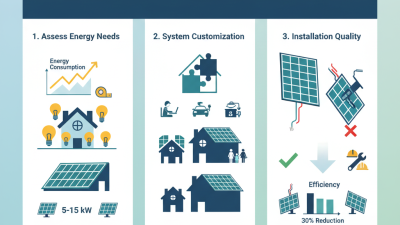
Utilizing solar energy can also enhance your brand's image. Many consumers prefer eco-friendly companies. Yet, transitioning to solar isn’t without challenges. Installation can be disruptive. Sizing a system properly requires careful assessment. Businesses must evaluate their energy needs thoroughly. Investing time in this process can prevent costly mistakes later.
Evaluating Long-Term ROI of Solar Energy Systems in Business
Investing in a solar energy system can significantly enhance a business's long-term financial returns. Research from the International Renewable Energy Agency (IRENA) indicates that businesses can expect an average ROI of 20% from solar installations. This figure highlights the compelling financial benefits of transitioning to solar power.
Moreover, operational savings can also be substantial. According to a report by the U.S. Department of Energy, companies can save approximately $400,000 over 25 years by utilizing solar energy. These savings stem from reduced utility costs and potential tax incentives. However, many businesses still express concerns over initial installation costs and technological reliability.
The initial investment is not trivial, with average costs for commercial solar systems ranging from $15,000 to $100,000, depending on the scale. While these figures can be daunting, many businesses have found financing options that allow them to spread costs over time. Additionally, the technology is continuously evolving. Solar systems installed today may yield better efficiency and durability compared to those from just five years ago. Investing in solar energy is not just about immediate savings; it is about positioning a business for sustainable, long-term growth.