What is Solar Solutions for Your Business Needs?
In today's business landscape, organizations are increasingly turning to solar solutions to meet their energy needs. According to recent reports by the International Renewable Energy Agency (IRENA), solar energy capacity has grown dramatically, with a 22% increase in global installations in 2022 alone. This shift reflects a growing recognition of solar power's potential to reduce operational costs and enhance sustainability.
Many businesses now understand that investing in solar solutions is not just an environmental choice but a financial one. Research indicates that companies adopting solar energy can lower energy expenses by 50% over time. Moreover, as governments worldwide implement incentives for solar investments, businesses find it easier to transition.
However, the move to solar is not without challenges. The initial investment can be significant, and businesses must consider site assessments and technological compatibility. Navigating these hurdles requires expertise and careful planning. As companies weigh their options, the pursuit of efficient solar solutions becomes imperative for achieving long-term sustainability and economic viability.

Understanding Solar Energy and Its Business Applications
Solar energy has become a key player in the business landscape. Understanding its applications can significantly benefit organizations. According to the U.S. Energy Information Administration, solar power accounted for about 3% of total electricity generation in 2022. This figure is projected to double by 2025, indicating a growing trend that businesses should not overlook.
Integrating solar solutions can lead to substantial savings. A study by the National Renewable Energy Laboratory shows that companies can reduce their energy bills by as much as 75% using solar technologies. Businesses can also enhance their sustainability profiles. With consumers increasingly prioritizing eco-friendly practices, adopting solar can improve brand reputation and customer loyalty. The challenges, however, cannot be ignored. Some businesses struggle with the upfront costs and the complexities involved in installation.
Additionally, the inconsistent regulation across regions complicates decision-making. When planning solar projects, it’s crucial to stay updated on local and federal incentives. Despite potential hurdles, the long-term benefits generally outweigh the initial investment. Solar energy offers a reliable path towards achieving financial and environmental goals, provided that companies take a strategic approach to implementation.
Types of Solar Solutions Available for Businesses
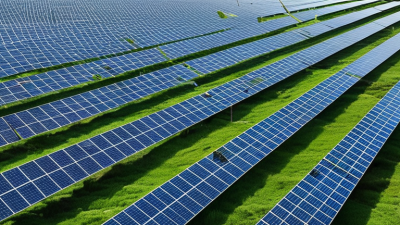
Businesses today can choose from various solar solutions tailored to meet their unique needs. One prevalent option is rooftop solar panels. According to the Solar Energy Industries Association (SEIA), commercial rooftop installations reached nearly 2.5 gigawatts in 2022 alone. This type of solution not only reduces energy costs but also minimizes the carbon footprint of businesses.
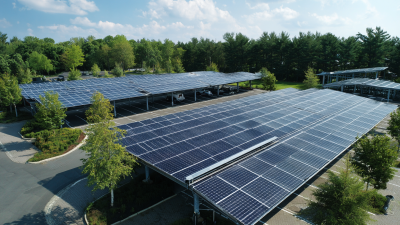
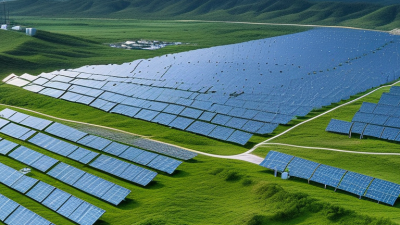
Another option is solar carports. These structures provide shaded parking while generating solar energy. Research shows that carports can increase energy generation by up to 50% compared to traditional rooftop systems. This makes them an advantageous choice for companies with limited roof space. Ground-mounted solar systems are also gaining traction, especially in industrial settings where large areas are available. They can produce more energy, leading to potentially higher savings.
When considering solar solutions, evaluate your energy consumption patterns. Look for systems that match your current and future needs. Engaging with a professional installer may help clarify specifications and potential savings. Remember, not all systems are equal; some might underperform despite initial allure. Explore local regulations and financial incentives, as these can significantly impact the return on investment.
Assessing the Benefits of Solar Solutions for Your Business
Solar solutions provide significant advantages for businesses, enhancing both operational efficiency and sustainability. Implementing solar energy reduces reliance on traditional power sources. It also cuts long-term energy costs, making financial sense. Businesses can invest in growth while minimizing their carbon footprints. Cleaner operations resonate well with environmentally conscious consumers and can boost brand reputation.
When assessing solar options, consider your energy needs. Each business has unique energy consumption patterns. Analyze your usage over time to tailor a solar solution effectively. A well-designed system can lead to substantial savings. It's essential to also evaluate the local incentives available. Tax credits can significantly offset installation costs.
Employing solar energy can still present challenges. The upfront costs might be daunting for some. Ensure your team understands the installation process and potential maintenance issues. Partnering with knowledgeable service providers is crucial for a smooth transition. Investing time in research can pay off, leading to a rewarding and efficient energy solution.
Steps to Implementing Solar Solutions in Your Operations
Implementing solar solutions in business operations can significantly reduce energy costs. To start, assess your energy needs. Understanding consumption patterns helps determine the right solar system size. According to the U.S. Department of Energy, businesses can save up to 75% on energy costs by switching to solar power. However, accurate data collection is critical. Consider using energy monitoring tools to get precise insights.
Next, secure funding for your solar project. Several financing options exist, including loans, leases, and power purchase agreements. A report by the Solar Energy Industries Association states that more than 70% of new solar installations are financed. Evaluate which method aligns best with your financial strategy. Some businesses may face hurdles during this process, such as fluctuating interest rates or credit score issues.
Finally, choose a reliable installer. The quality of installation impacts system efficiency. Research credible contractors with strong track records. Look for online reviews and customer testimonials. Engaging with local solar advocacy groups may provide valuable insights into regulatory requirements and incentives. Trust and expertise play vital roles here.
Evaluating Costs and Return on Investment for Solar Installations
Investing in solar energy has gained traction among businesses looking to reduce operational costs. Evaluating costs and potential returns on investment is crucial. Research indicates that companies can expect a return on investment (ROI) ranging from 10% to 30% over 20 years, depending on system type and regional energy rates. For instance, a commercial solar system can cost between $15,000 and $100,000, with larger installations often yielding greater savings.
Moreover, the levelized cost of electricity (LCOE) for solar has fallen significantly. According to a report from the International Renewable Energy Agency (IRENA), LCOE for solar photovoltaics decreased by 89% between 2009 and 2019. This trend suggests that many businesses can now generate electricity at competitive rates. However, companies should consider factors such as installation costs and maintenance when assessing long-term viability.
Despite these promising numbers, challenges exist. Not every location maximizes solar potential due to geographic and climatic conditions. Additionally, the initial investment still poses a barrier for many small businesses. A careful analysis of energy needs and potential savings will help businesses make informed decisions. Understanding local incentives and rebates can further enhance the overall financial picture.
Evaluating Costs and Return on Investment for Solar Installations