10 Best Solar Electricity Systems for Global Buyers?
Choosing among the 10 Best Solar Electricity Systems for Global Buyers requires more than comparing panel wattage or advertised savings. Climate, grid reliability, roof structure, local service, and battery availability can change the outcome dramatically. A compact rooftop system may suit a sunny apartment, while a hybrid installation may better support a rural clinic with frequent outages.
The market is expanding quickly. IRENA’s Renewable Capacity Statistics 2024 reported approximately 1,419 GW of global solar capacity by the end of 2023. Solar also represented most new renewable capacity added that year. The International Energy Agency expects renewable power capacity to keep growing strongly through 2030, driven largely by solar photovoltaics and lower equipment costs. Prices matter.
However, lower prices do not guarantee a better system. Lazard’s Levelized Cost of Energy analysis shows utility-scale solar can remain cost-competitive, but results vary with financing, location, storage, and grid connection. The IEA PVPS Trends 2024 report also highlights continued global growth, while noting differences in policy, installation quality, and market access. These details are easy to overlook.
This guide compares system types, not just brands. It examines output, storage, warranties, monitoring, installation complexity, and long-term maintenance. Real-world performance is less perfect than brochures suggest. Dust, shade, heat, and weak after-sales support can reduce expected savings. Buyers should verify local certifications, installer experience, and replacement access before paying. The “best” option may be the least glamorous one: reliable, repairable, and correctly sized for everyday demand.
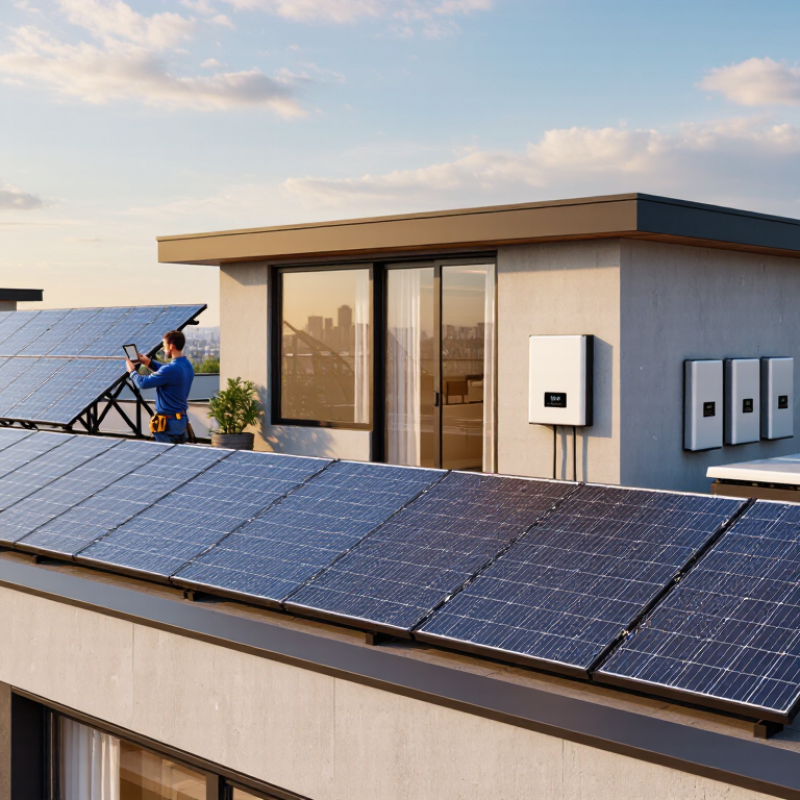
Global Solar Baseline: 1,419 GW Installed by 2023, According to IRENA
10 Best Solar Electricity Systems for Global Buyers?
The global solar baseline is already enormous. IRENA’s Renewable Capacity Statistics 2024 recorded 1,419 GW of solar power installed by the end of 2023. Solar represented most of the year’s renewable additions, showing how quickly costs and deployment are changing. The IEA Photovoltaic Power Systems Programme reported about 456 GW of new photovoltaic capacity in 2023. These figures matter when comparing home, commercial, and remote-power systems.
Tips: Match the system to local sunlight, roof space, grid rules, and daily demand. A battery can improve evening reliability, but it also adds weight, heat, maintenance, and replacement cost. Check the inverter’s efficiency, protection rating, service access, and published performance data. Ask installers for recent project evidence, safety qualifications, and realistic production estimates.
A strong system is not always the largest one. A 5 kW array may suit a small household, while a clinic needs storage for night-time medical equipment. In cloudy regions, seasonal output can be more important than peak power. In remote areas, spare parts and technician access deserve serious attention. The Global Solar Atlas can support early solar-resource checks, but on-site shading surveys remain essential. That is an imperfect step, yet satellite data cannot see every chimney or growing tree. A global ranking is useful for screening, not final procurement. Local engineering, regulation, and after-sales support still decide whether solar electricity performs well.
Sizing by Demand and Sunlight: PV Output and 85–95% Battery Efficiency
Sizing a solar electricity system starts with demand, not panel count. List daily loads: a refrigerator, water pump, lights, and communications equipment. Record wattage, running hours, and seasonal changes. A 5 kWh daily load needs more than 5 kWh of PV generation because wiring, temperature, dust, and battery losses reduce usable energy. IRENA’s Renewable Capacity Statistics 2024 reports global solar capacity of about 1,419 GW at the end of 2023, but installed capacity does not guarantee equal output everywhere.
Sunlight changes the calculation. Use local peak-sun-hour data from the Global Solar Atlas or national meteorological services. A 2 kW array receiving four peak sun hours may produce roughly 8 kWh before losses. After a practical performance ratio of 75–85%, output may fall to 6–7 kWh. Batteries commonly deliver about 85–95% round-trip efficiency, according to technical assessments from the U.S. National Renewable Energy Laboratory. That range matters during cloudy weeks. A tidy spreadsheet can still mislead when winter demand rises.
Tips: Keep at least 20% design margin for ageing, dust, and unexpected loads. Measure real consumption with a plug meter for several days. Do not size storage from average sunlight alone; compare the worst seasonal period. Oversizing panels may be cheaper than adding batteries, but this depends on local tariffs, space, and export rules. A first design is only a starting point, not a guarantee.
10 Best Solar Electricity Systems for Global Buyers? - Sizing by Demand and Sunlight: PV Output and 85–95% Battery Efficiency
Reference configurations for different electricity-demand levels and solar conditions. Values are planning estimates and should be adjusted for local weather, shading, temperature, roof orientation, seasonal demand, and applicable electrical standards.
| System |
Typical Use Case |
Daily Electricity Demand
(kWh/day) |
Average Peak Sun Hours
(hours/day) |
Recommended PV Capacity
(kWp) |
Estimated Daily PV Output
(kWh/day) |
Battery Bank
(kWh nominal) |
Usable Battery Energy at 85–95% Efficiency
(kWh) |
Recommended Inverter Rating
(kW continuous) |
Design Priority |
| 1. Essential Micro System |
Emergency lighting, phone charging, router, and small medical devices |
1.5 |
3.0 |
0.75 |
1.8 |
2.0 |
1.7–1.9 |
1.0 |
Low cost and basic backup |
| 2. Small Household System |
Lighting, refrigeration, electronics, fans, and water-pressure equipment |
3.0 |
4.0 |
1.00 |
3.2 |
4.0 |
3.4–3.8 |
2.0 |
Efficient daily operation |
| 3. Efficient Home System |
Small home with efficient appliances and moderate evening consumption |
5.0 |
4.5 |
1.50 |
5.4 |
6.0 |
5.1–5.7 |
3.0 |
Balanced generation and storage |
| 4. Standard Family Home |
Refrigerator, lighting, entertainment, computers, pumps, and kitchen appliances |
8.0 |
5.0 |
2.00 |
8.0 |
10.0 |
8.5–9.5 |
5.0 |
Higher evening autonomy |
| 5. Hot-Climate Home System |
Household loads with efficient cooling, fans, refrigeration, and water pumping |
10.0 |
5.5 |
2.50 |
11.0 |
12.0 |
10.2–11.4 |
6.0 |
Cooling-load resilience |
| 6. Rural All-Day Home System |
Home, workshop tools, communications equipment, refrigeration, and water systems |
12.0 |
4.0 |
3.75 |
12.0 |
15.0 |
12.8–14.3 |
7.0 |
Reliable operation in moderate sunlight |
| 7. Home Office and Electrification System |
Residential loads plus computers, networking, efficient cooking, and productivity equipment |
15.0 |
5.0 |
4.00 |
16.0 |
18.0 |
15.3–17.1 |
8.0 |
Day-and-night energy coverage |
| 8. Small Clinic System |
Lighting, refrigeration for medicines, communications, diagnostic equipment, and backup loads |
25.0 |
5.0 |
6.25 |
25.0 |
30.0 |
25.5–28.5 |
12.0 |
Critical-load continuity |
| 9. Small Farm and Workshop System |
Water pumping, refrigeration, lighting, tools, communications, and agricultural equipment |
40.0 |
5.5 |
9.10 |
40.0 |
48.0 |
40.8–45.6 |
20.0 |
High daytime production and surge capacity |
| 10. Community-Scale Mini-Grid |
Multiple homes, public lighting, water services, communications, and small businesses |
75.0 |
4.5 |
20.80 |
74.9 |
90.0 |
76.5–85.5 |
40.0 |
Load diversity and expandable storage |
Calculation notes:
Estimated daily PV output is calculated as PV capacity × peak sun hours × 0.80, allowing approximately 20% for temperature, wiring, inverter, dust, mismatch, and other system losses. Usable battery energy is shown as nominal battery capacity multiplied by an 85–95% battery efficiency range; actual delivered energy also depends on depth of discharge, battery temperature, inverter losses, battery age, and operating conditions. Peak sun hours are representative planning values, not guaranteed daily production.
Global Buyer Screening: IEC Standards, Grid Codes, Climate, and Incentives
Choosing among the 10 best solar electricity systems for global buyers requires more than comparing panel efficiency. A credible screen begins with IEC test certificates for modules, inverters, batteries, and safety components. Check the exact standard edition, certificate scope, and factory test records. A familiar logo is not enough. Ask whether the tested model matches the shipment. Small differences matter. In hot, dusty regions, thermal derating and enclosure protection can reduce real output substantially.
Grid compatibility must be verified locally, not assumed from a general datasheet. The inverter should support required voltage, frequency, anti-islanding, reactive power, and ride-through settings. A qualified engineer can compare its firmware with the utility’s interconnection rules. Installers sometimes treat “grid-ready” as universal. It is not. A system approved for one network may trip repeatedly on another, especially where voltage fluctuates or outages are frequent.
Climate screening should include cyclone exposure, salt mist near coastlines, snow load, humidity, and seasonal shading. Incentives also require careful checking: tax credits, import duties, net-metering limits, and battery eligibility may change during a project. Use official energy-agency pages and written utility guidance, rather than sales claims. Independent inspections and performance warranties add confidence, but buyers should read exclusions. A cheaper system may win on paper, yet lose value through poor service, unavailable parts, or unsuitable settings.