Choosing the best solar electricity system is not simply about buying the largest panels available. It requires a careful look at your home, energy habits, budget, and local conditions. A system that works beautifully on a sunny farm may perform poorly on a shaded city roof.
Energy expert Amory Lovins offers a useful reminder: “The best energy is the energy you don’t use.” This principle belongs at the center of every solar decision. Before comparing equipment, examine your electricity bills, identify peak usage, and improve insulation where possible. A small change, such as replacing old lighting, can reduce the system size you need.
Real-world performance depends on details. Roof direction matters. So does pitch. Trees, chimneys, dust, and seasonal shadows can quietly reduce output. Battery storage adds flexibility, but it also increases cost, weight, and maintenance requirements. Grid-connected systems may offer simpler operation, while hybrid systems can provide additional resilience during outages.
There is no universal winner.
Reliable selection also means checking panel warranties, inverter quality, installer credentials, monitoring tools, and expected payback. Independent estimates are valuable, yet every forecast contains uncertainty. Electricity prices can change. Weather can disappoint. Even experienced professionals can misjudge future consumption.
This guide explains how to compare a solar electricity system with practical judgment. It focuses on performance, safety, long-term value, and honest limitations. The goal is not to promise perfect energy independence. It is to help you choose a system that fits your property and remains useful for many years.
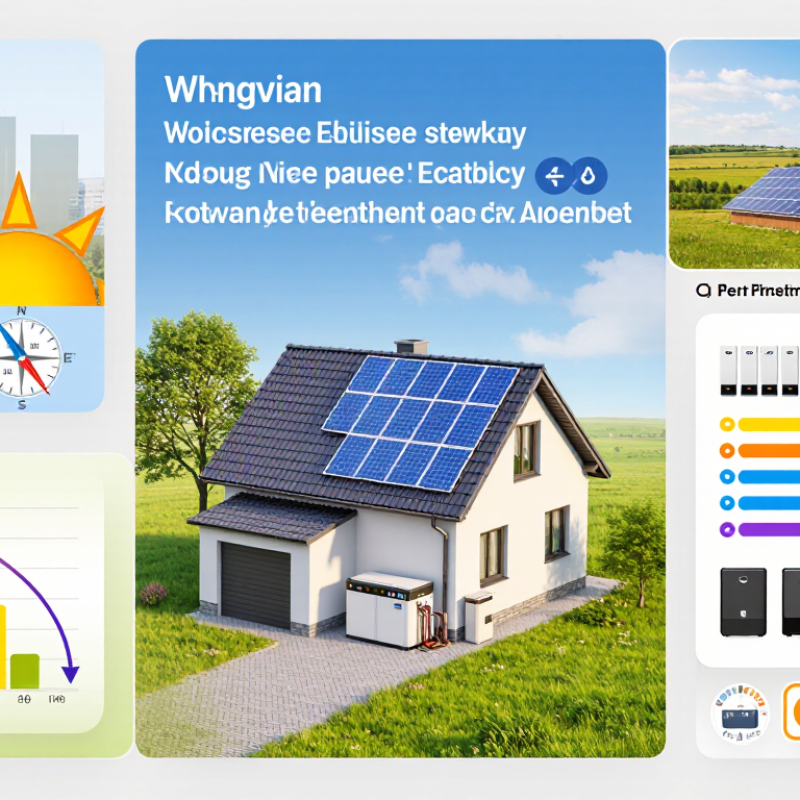
Choosing the best solar electricity system begins with understanding its daily energy path. Sunlight reaches the panels, creating direct-current electricity. An inverter converts it into alternating current for household appliances. Surplus power may charge a battery or flow to the grid. Simple, but not effortless.
A practical assessment starts with twelve months of electricity bills, roof direction, pitch, shading, and local weather. A chimney shadow at 4 p.m. can reduce output more than expected.
The U.S. National Renewable Energy Laboratory’s PVWatts model uses a default 14% system-loss assumption, covering wiring, inverter, temperature, and other losses. That figure is useful, not sacred. Dust, snow, aging equipment, and poor ventilation can increase losses. NREL also recommends comparing estimated production with measured site conditions.
Scale matters. The International Energy Agency’s Renewables 2024 report states that global solar photovoltaic additions reached almost 420 gigawatts in 2023. Falling costs support wider adoption, yet a larger system is not always better for a home. Oversizing may leave expensive electricity unused when export payments are low. A battery can improve evening consumption, but its round-trip losses and replacement cost deserve attention. Lazard’s Levelized Cost of Energy analysis also shows that utility-scale solar costs vary widely by project and location, so broad price claims can mislead homeowners. I would question any proposal promising exact savings. Weather is irregular. Forecasts are imperfect.
Choosing a solar electricity system starts with your home, not a panel catalogue. Review twelve months of utility bills and record monthly kilowatt-hours. The U.S. Energy Information Administration reported average household electricity use of about 10,715 kWh in 2020. Your home may differ sharply. Electric heating, pool pumps, and future vehicle charging can change the calculation.
Measure demand by season. A winter bill can expose heating loads, while a summer bill may reveal cooling and water-pumping costs. Note the meter’s time-of-use periods if your utility uses them. Then inspect the roof from ground level. Record roof direction, pitch, nearby trees, chimneys, and afternoon shadows. A quick roof glance is not enough.
The National Renewable Energy Laboratory’s PVWatts model estimates solar production from weather data, system size, orientation, tilt, and losses. Use it for an initial estimate, then request an on-site shade assessment. A south-facing roof is often useful in the northern hemisphere, but east- and west-facing surfaces can still produce valuable morning or afternoon electricity. Do not assume every roof area is usable. Older wiring, structural limits, and partial shade may reduce output. I would also compare expected production with your hourly demand, not only annual totals. That comparison is imperfect, but it exposes unrealistic system sizes before installation. The U.S. Department of Energy recommends examining efficiency measures before generation, so sealing drafts or replacing inefficient equipment may reduce the solar capacity your home needs.
Choosing a solar electricity system starts with your roof, electricity use, and budget—not the panel label. Monocrystalline panels usually deliver about 20–23% efficiency, while thin-film modules often use more space for similar output. The International Renewable Energy Agency reported 1,419 GW of global solar capacity at the end of 2023. That scale shows maturity, but local performance still depends on shade, temperature, roof direction, and maintenance.
System size should match your annual consumption. Review twelve months of utility bills, then compare them with local solar production estimates. A 6 kW system may suit one household, while a shaded roof may need 8 kW for similar energy. Inverters also matter. String inverters can reduce equipment costs, while module-level inverters may handle uneven shade better. Add a battery only when outage protection, time-of-use pricing, or limited grid export justifies its cost. NREL’s PVWatts model includes temperature, wiring, inverter, and shading losses. Real output is never the brochure number.
Tips: Request a site survey and a production estimate based on your address. Check inverter warranties, battery usable capacity, and replacement costs. Leave space around equipment for ventilation. I once treated roof area as the main answer; that was too simple. Monthly demand can change, and winter output may disappoint. Compare measured consumption with predicted generation before approving the final design.
Comparing typical solar panel efficiency ranges by technology
Monocrystalline modules generally provide the highest efficiency and require less roof area. Polycrystalline modules are usually less efficient, while thin-film modules can be lighter and more flexible but typically need more space.
A 3–5 kW system is common for smaller homes, 6–8 kW suits higher electricity demand, and systems above 10 kW are often considered for large homes or small commercial loads.
A complete system normally includes solar modules, an inverter, mounting hardware, protection devices, wiring, and optionally a battery. Actual energy production depends on location, orientation, shading, and weather.
Efficiency values show representative commercial ranges and can vary by model and installation conditions.
How to Choose the Best Solar Electricity System?
Installation cost should be judged beyond the equipment price. A practical quote includes panels, inverters, mounting hardware, labor, permits, inspections, and grid connection fees. Ask for each item separately. This exposes vague allowances and unexpected charges. A roof inspection may reveal cracked tiles, weak framing, or difficult access. Those details can add thousands to the final bill. In my experience, the cheapest proposal is not always the most affordable choice. A lower upfront price may hide shorter warranties, limited monitoring, or costly maintenance.
Incentives can reduce the effective price, but eligibility depends on location, income, property type, and installation date. Check official government sources before signing anything. Some programs offer tax credits, rebates, or payments for exported electricity. Rules can change during a project. Keep written evidence of approval, invoices, and system capacity. A 5-kilowatt system may qualify differently from a larger installation. Local conditions matter.
Financing deserves the same attention as technology. Compare the total repayment, interest rate, loan term, fees, and early-payment conditions. A low monthly payment can still create a high lifetime cost. Cash may provide savings, but it can reduce emergency funds. That trade-off is easy to overlook. Ask whether payments continue during permitting or construction delays. Review the agreement with an independent adviser if the language feels unclear. Small assumptions can become expensive.
| System Option | Typical Size | Estimated Annual Production | Typical Installed Cost Before Incentives | Potential Incentives | Estimated Cost After 30% Federal Tax Credit | Best Suited For | Financing Considerations |
|---|---|---|---|---|---|---|---|
| Grid-connected solar only | 4 kW | Approximately 4,800–6,400 kWh per year | $10,000–$14,000 About $2.50–$3.50 per watt |
Federal residential clean energy credit may cover 30% of eligible costs through 2032, subject to eligibility and applicable law. State, local, and utility incentives may also apply. |
$7,000–$9,800 | Homes with reliable utility service and limited interest in backup power. | Cash usually has the lowest lifetime cost. A home-equity loan or solar loan may preserve cash but adds interest and possible fees. |
| Grid-connected solar only | 8 kW | Approximately 9,600–12,800 kWh per year | $20,000–$28,000 About $2.50–$3.50 per watt |
A qualifying 30% federal tax credit could reduce the eligible cost by approximately $6,000–$8,400, before other incentives. | $14,000–$19,600 | Households with higher electricity use, electric vehicles, or electric heating. | Compare the annual percentage rate, loan term, origination fees, prepayment terms, and whether payments can increase. |
| Solar plus battery storage | 8 kW solar + 10–15 kWh battery | Approximately 9,600–12,800 kWh of solar generation per year | $35,000–$53,000 Solar: $20,000–$28,000; battery: commonly $15,000–$25,000 installed |
Eligible battery storage with at least 3 kWh capacity may qualify for the 30% federal residential clean energy credit, subject to current rules and eligibility. | $24,500–$37,100 | Homes affected by outages, time-of-use rates, or limited export compensation. | Storage can improve resilience but may lengthen the financial payback period. Check battery warranty, usable capacity, replacement terms, and backup-load limits. |
| Community solar subscription | No on-site system | Depends on the subscribed share of a local project | Usually little or no upfront installation cost | Subscriber incentives and bill credits depend on state and utility program rules. The federal homeowner tax credit generally does not apply to a simple subscription. | Often $0 upfront | Renters, condo residents, shaded properties, or homeowners unable to install panels. | Review contract length, cancellation rules, transferability, monthly fees, and whether bill credits are guaranteed or variable. |
| Solar lease or power purchase agreement | Typically sized to household electricity use | Approximately 1,200–1,600 kWh per installed kW per year, depending on location and design | Usually $0 upfront; the provider owns the equipment | The system owner generally claims available tax incentives. The customer may receive savings through a fixed payment or per-kWh energy rate instead. | $0 upfront, but ongoing payments apply | Customers prioritizing low initial cost over ownership and maximum long-term savings. | Check annual payment escalators, total contract payments, roof-access obligations, performance guarantees, and home-sale transfer requirements. |
| Evaluation Dimension | What to Compare | Practical Decision Rule |
|---|---|---|
| Electricity offset | Annual household consumption, roof orientation, shading, local solar resource, and utility export limits. | Request a production estimate based on the actual address and compare it with at least 12 months of utility bills. |
| Upfront cost | Equipment, labor, permitting, interconnection, roof work, electrical upgrades, and sales or loan fees. | Compare quotes using total installed price and price per watt, not only the monthly payment. |
| Incentives | Federal tax credits, state rebates, utility rebates, performance payments, property-tax treatment, and net-metering rules. | Confirm eligibility with official government or utility sources and verify that the tax credit can be used by the property owner. |
| Financing | Cash price, APR, loan term, dealer fees, payment schedule, escalators, and prepayment penalties. | Calculate total repayment and compare it with the cash price after incentives. |
| Maintenance and reliability | Equipment warranties, workmanship coverage, monitoring, inverter replacement risk, battery degradation, and service response. | Choose a system with clearly documented warranty terms and accessible maintenance support. |
| Payback and long-term value | Installed cost, incentives, electricity-price changes, export compensation, degradation, maintenance, and financing interest. | Use a conservative scenario and consider both simple payback and estimated lifetime savings over 20–30 years. |
A solar system is only as dependable as the people who design and install it. Ask potential installers about relevant training, required local credentials, insurance, and recent projects on roofs like yours. Request a written proposal showing the panel layout, estimated annual output, warranties, workmanship coverage, and assumptions about shade. Ask who coordinates inspections and grid connection. Specific answers matter.
Before signing, arrange a handover session. Learn to read monitoring alerts and locate the system shutoff without opening electrical equipment. Agree on a maintenance plan that follows the equipment manuals and local conditions. Dust, pollen, snow, and nearby trees affect systems differently. After storms, check monitoring data from the ground; leave roof inspections to trained workers. Keep records.
Clarify which inspections are included, likely service costs, and expected response times. Ask how inverter or battery servicing is handled, since components may need attention on different schedules. A simple spreadsheet for production, service dates, and invoices can help reveal gradual changes. Plans may need adjustment. I would not treat the first-year production estimate as a promise; weather and shading can shift actual results.