For global property buyers, a home energy audit is more than a technical inspection. It can reveal where money quietly escapes through roofs, windows, walls, and aging equipment. The answer is uneven. A compact apartment in Singapore may need different checks than a detached home in Toronto or Madrid.
This 2026 guide explains home energy audit cost across major markets and property types. Prices can vary with floor area, climate, building age, travel distance, and audit depth. A basic visual review may identify obvious drafts. A detailed assessment can include blower-door testing, infrared imaging, duct evaluation, moisture checks, and appliance analysis. Details matter.
Reliable buyers should compare licensed or professionally certified auditors, written inspection scopes, and sample reports. Local building standards and energy-label rules also deserve attention. Utility rebates may reduce the final bill, but eligibility often depends on location and property status. Always verify current terms with the provider.
A good audit should connect evidence with practical decisions. It might show a cold bedroom wall, a leaking attic hatch, or an air conditioner working too hard. These observations help estimate payback, not merely list defects. Still, no guide can predict every final quote. Exchange rates change. Regional labor markets shift. Even experienced auditors can miss concealed problems without invasive testing. That limitation should be stated clearly, not hidden behind impressive numbers.
With careful questions and comparable quotations, buyers can judge whether an audit offers useful value before purchasing or renovating a home.
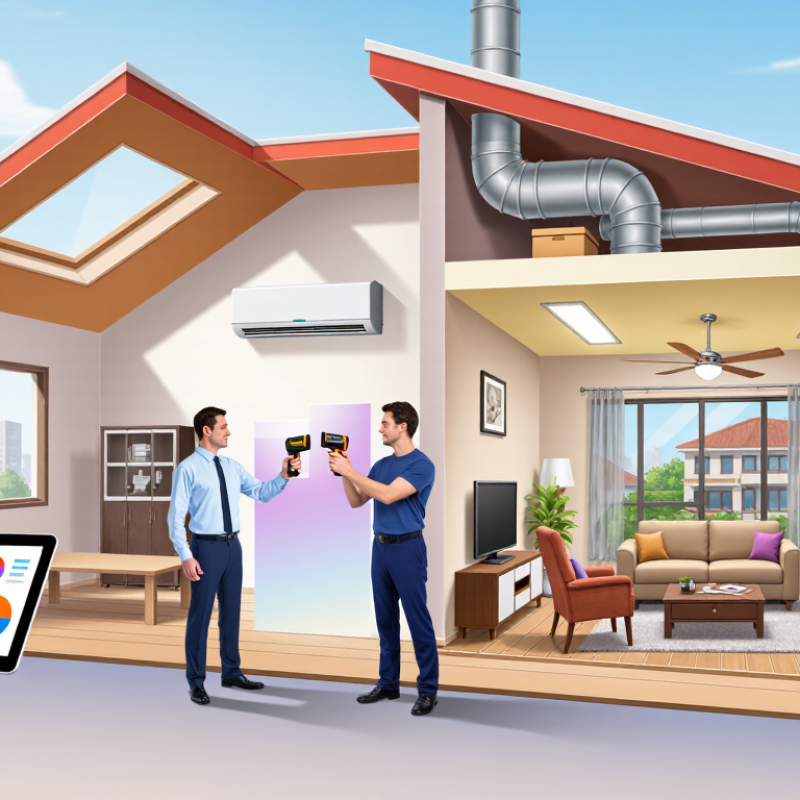
A home energy audit is a practical inspection, not a simple utility-bill review. A qualified auditor checks insulation depth, window gaps, duct leakage, heating and cooling equipment, lighting, moisture, and ventilation. Many audits also use a blower-door test to locate air leaks. Infrared imaging can reveal cold ceilings, missing insulation, or damp wall sections.
The process should include an interview about comfort, indoor drafts, unusual odors, and seasonal energy use. Safety checks matter too, especially near fuel-burning equipment. The auditor normally reviews utility bills and estimates which improvements may deliver the best savings. Results should include photographs, measured findings, repair priorities, and expected performance changes. Estimates can still miss reality.
The 2023 Global Status Report for Buildings and Construction found that buildings used about 30% of global final energy and produced 26% of energy-related emissions in 2022. That makes household efficiency relevant for buyers in every climate zone. A detailed audit can expose expensive weaknesses before purchase, such as poorly sealed ducts or inadequate roof insulation. It may also support better renovation budgeting and comfort decisions.
However, an audit is not magic. Savings depend on workmanship, weather, occupant behavior, and equipment maintenance. Buyers should request the auditor’s qualifications, testing methods, measurement records, and limitations. A cheap visual inspection may be useful, but it cannot replace measured evidence. The best report is clear enough for a homeowner, yet precise enough for a contractor.
Home energy audit costs in 2026 depend on more than house size. A small apartment may need fewer tests than an older detached home. Local labor rates, travel distance, and regional climate also affect the price. Buyers should request a written scope before booking. It should list inspection areas, testing methods, report details, and follow-up services.
The audit’s depth is often the largest cost factor. A basic review may examine insulation, windows, lighting, and visible heating equipment. A detailed audit can include air-leakage testing, thermal imaging, duct checks, moisture readings, and ventilation measurements. Older homes may require extra time because wiring, extensions, or hidden damage can complicate access. Some estimates look attractive but exclude these tests. That is easy to miss.
Tips: Compare two or three local quotes using the same checklist. Ask whether travel, taxes, retesting, and translated reports are included. Check the auditor’s training, practical experience, and professional insurance where applicable. A reliable report should explain evidence, not just recommend expensive upgrades. It should show clear photos, measured results, and estimated savings. Results are never perfectly precise. Weather, occupant habits, and fuel prices can change the outcome, so treat payback figures as informed estimates rather than promises.
Regional audit prices vary widely in 2026. In the United States and Canada, homeowners commonly pay US$250–700 for a professional assessment, according to guidance from the U.S. Department of Energy and Natural Resources Canada. In the United Kingdom and Ireland, typical prices range from £150–400, based on residential assessment figures reported by the Energy Saving Trust. Western European buyers should expect about €200–600, while Australia and New Zealand often fall near A$250–650. Local labor rates matter greatly.
Property size changes the bill quickly. A small apartment may cost US$100–250 because access and testing are limited. A detached home usually costs US$250–700. Older houses, large villas, and properties with multiple heating zones may reach US$600–1,500. A 2024 residential benchmarking report from the Residential Energy Services Network indicates that diagnostic depth, blower-door testing, and infrared scanning influence professional fees more than floor area alone. More equipment means more useful evidence.
These figures are practical planning ranges, not fixed tariffs. Rural travel, bilingual reporting, climate conditions, and local certification can add fees. A low-cost visual visit may overlook duct leakage or moisture problems. That is an uncomfortable weakness. Buyers should ask whether the report includes measured air leakage, insulation levels, appliance efficiency, and repair priorities. The International Energy Agency’s efficiency analysis also supports comparing expected energy savings with audit and upgrade costs, rather than choosing the cheapest inspection.
Average energy audit prices by region and property type, shown in U.S. dollars.
Detached homes generally cost more to assess than apartments because audits cover more floor area, systems, and building envelope components. These figures are indicative 2026 planning benchmarks converted to USD; local taxes, travel charges, testing depth, and property size can change the final quote.
For global buyers, a home energy audit should be compared by value, not price alone. Audit fees vary with property size, location, climate, and inspection depth. A basic visit may review insulation, windows, appliances, and utility bills. A detailed service may add blower-door testing, infrared imaging, and ventilation checks. Confirm what the quoted fee includes.
Compare auditors through qualifications, insurance, local experience, and clear sampling methods. Ask whether the auditor understands your region’s building practices and weather patterns. A reliable professional should explain limitations before inspecting the property. The final report should show measured findings, photographs, estimated savings, repair priorities, and assumptions behind every cost estimate. A polished report can still be weak.
Tips: Request two or three itemized quotes. Check the inspection time. Ask for a sample report with private details removed. Confirm whether follow-up questions are included. Compare recommendations, not just the audit fee. Convert costs into one currency, but remember exchange rates can distort comparisons. Check the report date, too. Energy prices change, and old estimates may mislead buyers. One detail is easy to miss: a low-cost audit may exclude moisture, indoor-airflow, or safety observations. Clarify the boundary before signing.
Preparing well can lower an energy audit’s total cost and reduce expensive follow-up visits. Gather twelve months of utility bills, renovation records, appliance manuals, and a simple floor plan. Label rooms clearly. Unlock electrical panels, roof spaces, crawl spaces, and mechanical rooms before the appointment. Remove stored boxes that block insulation, ducts, windows, or water heaters.
Ask the auditor what the inspection includes, such as blower-door testing, thermal imaging, moisture checks, or combustion-safety measurements. Requirements vary by country and region, so confirm the auditor’s training, insurance, reporting method, and local compliance knowledge. Keep pets secured and provide safe access to every area. Never dismantle gas equipment or electrical components yourself. That shortcut can create danger and additional repair costs.
Avoid completing major upgrades before the inspection. A new window, heater, or insulation layer may hide the original problem and weaken the assessment. Instead, record drafts with notes, photographs, and room temperatures. In practice, this evidence helps the auditor investigate faster. My own mistake would be assuming the coldest room needs more insulation; poor airflow or hidden moisture can produce the same feeling. Request written priorities, estimated savings, safety concerns, and measurements for each recommendation. Group follow-up work by location, but leave uncertain items for a second professional opinion. Some recommendations sound efficient yet perform poorly in humid climates or older buildings.
| Market | Typical Basic Audit Cost | Detailed Diagnostic Audit | Typical Visit Time | Common Follow-Up Cost | Best Preparation Steps | Potential Avoidable Cost |
|---|---|---|---|---|---|---|
| United States | US$200–700 | US$500–1,500 | 2–4 hours | Air-sealing or duct testing: US$150–600 | Collect 12 months of utility bills, unlock the attic and mechanical rooms, and list comfort problems by room. | US$75–250 |
| Canada | CAD 300–600 | CAD 600–1,200 | 2–4 hours | Blower-door retest or additional report: CAD 150–400 | Prepare heating-fuel records, confirm floor area, and provide access to the basement, attic, exterior walls, and meter. | CAD 100–300 |
| United Kingdom & Ireland | £150–400 | £350–900 | 1.5–3 hours | Thermal imaging or retrofit design: £100–350 | Have the Energy Performance Certificate available, clear boiler and loft access, and note condensation or draft locations. | £50–150 |
| Western Europe | €200–500 | €450–1,000 | 2–4 hours | Thermography, airtightness testing, or revised report: €150–450 | Provide renovation history, energy invoices, building plans, and information about insulation thickness and heating controls. | €75–250 |
| Nordic Countries | €300–700 | €600–1,300 | 2–5 hours | Pressure testing or ventilation balancing: €200–600 | Schedule the inspection during the heating season when practical, document indoor temperatures, and provide ventilation-system records. | €100–300 |
| Australia & New Zealand | AUD 250–600 / NZD 280–650 | AUD 600–1,400 / NZD 650–1,500 | 2–4 hours | Thermal scan, moisture check, or improvement plan: AUD 150–500 / NZD 170–550 | Prepare summer and winter bills, identify rooms with overheating or dampness, and clear access to the roof space and hot-water system. | AUD 80–250 / NZD 90–280 |
| Japan & South Korea | JPY 30,000–80,000 / KRW 250,000–600,000 | JPY 80,000–180,000 / KRW 600,000–1,500,000 | 1.5–4 hours | Infrared scanning or equipment testing: JPY 15,000–60,000 / KRW 100,000–400,000 | Prepare appliance inventories, monthly energy data, floor plans, and information about window types and heating or cooling zones. | JPY 10,000–30,000 / KRW 80,000–250,000 |
| Singapore & Hong Kong | SGD 300–800 / HKD 1,500–4,000 | SGD 800–1,800 / HKD 4,000–9,000 | 1.5–3 hours | Indoor-air, cooling-load, or moisture investigation: SGD 200–700 / HKD 1,000–3,500 | Provide cooling schedules, electricity bills, floor plans, and access to air-conditioning units, windows, kitchens, and bathrooms. | SGD 100–300 / HKD 500–1,500 |
| Gulf Region | AED 800–2,500 / SAR 800–2,500 | AED 2,000–5,000 / SAR 2,000–5,000 | 2–5 hours | Cooling-system diagnostics or duct inspection: AED 500–2,000 / SAR 500–2,000 | Prepare summer electricity bills, list rooms with uneven cooling, and provide access to roof-mounted equipment, ducts, windows, and controls. | AED 250–800 / SAR 250–800 |
| South Africa | ZAR 2,000–6,000 | ZAR 5,000–12,000 | 2–4 hours | Thermal imaging, solar assessment, or electrical-load review: ZAR 1,000–4,000 | Provide electricity statements, backup-power details, appliance schedules, and safe access to the roof, distribution board, and geyser. | ZAR 500–2,000 |