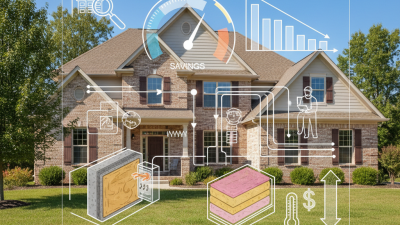
A home energy audit can reveal why a house feels cold near the windows, noisy around the doors, or expensive after every billing cycle. Yet many homeowners hesitate because of the expected home energy audit cost. Prices often vary by location, property size, audit depth, equipment used, and the auditor’s credentials. A basic visual review may cost less. A diagnostic audit with blower-door testing, infrared imaging, and duct measurements may cost more.
Building-science educator Allison A. Bailes III has warned, “The biggest problem with home energy audits is that they don’t result in any work being done.” That observation deserves attention. An audit is not a magic repair. It becomes valuable when the findings guide practical improvements, such as sealing attic leaks, balancing airflow, insulating exposed ducts, or replacing inefficient equipment. Sometimes, the report may show that expensive upgrades are unnecessary. That can protect your budget, too.
This guide explores seven realistic ways to lower home energy audit cost without choosing an unqualified provider. You will see how utility rebates, seasonal promotions, package pricing, remote pre-assessments, and focused testing can reduce the final bill. You will also learn when the cheapest option may create weak recommendations or missed problems. That part is easy to overlook.
Bring recent utility bills, renovation records, and photos of problem areas. Ask for a written scope before scheduling. Confirm whether the auditor is certified and whether testing is included. Costs still vary. Homes are not identical. A thoughtful audit should leave you with clear evidence, ranked actions, and fewer guesses about where your energy dollars disappear.
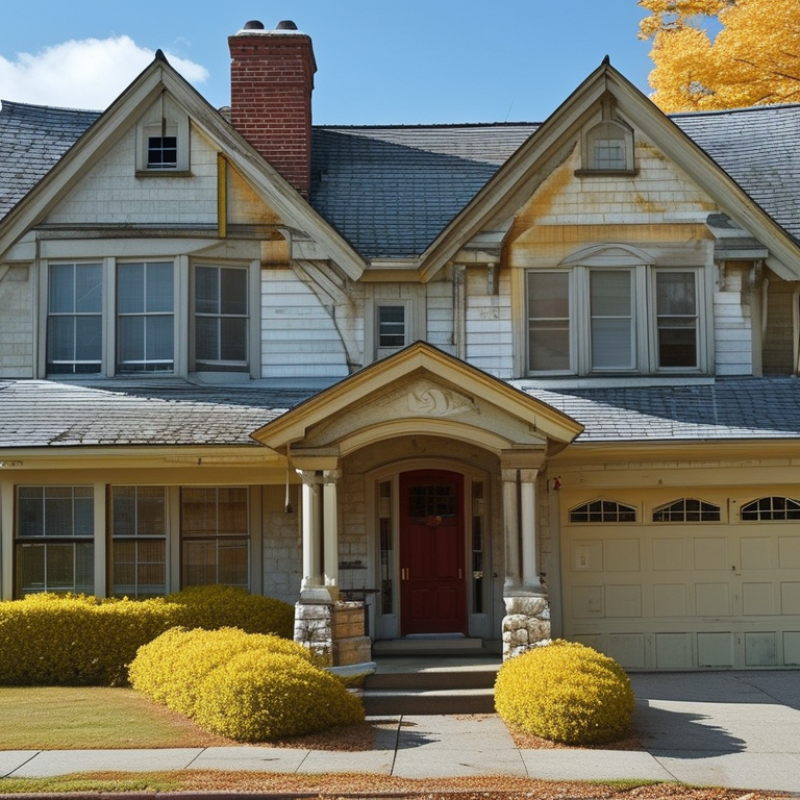
A home energy audit examines how your house uses, loses, and saves energy. A qualified auditor usually reviews utility bills, insulation, windows, ventilation, heating, cooling, and lighting. They may use a blower door, infrared camera, moisture meter, or duct leakage test. These tools reveal problems that a quick visual check can miss.
Audit prices vary because homes differ greatly. A small apartment may need only a basic assessment. A large, older house can require several hours and advanced testing. Local labor rates, travel distance, report detail, and certification also affect the final cost. Some auditors include follow-up advice, while others charge separately. Ask what the fee covers.
You can reduce the cost without reducing useful information. Prepare twelve months of energy bills before the visit. Clear access to the attic, crawl space, furnace, and electrical panel. Request a written scope and compare similar services, not just headline prices. A group booking with nearby homeowners may lower travel charges. Some local programs also offer rebates, but eligibility changes often.
The report should explain findings in plain language, with estimated savings and repair priorities. Be cautious with confident promises. Energy savings depend on weather, household habits, and workmanship. An audit can identify waste, but it cannot guarantee a specific bill reduction. In my experience, the most valuable report connects measured problems with practical next steps. Sometimes, a modest audit is enough.
Home energy audit costs vary widely, so compare providers before booking. Request at least three written quotes with inspection details, travel fees, and follow-up terms. A low price may exclude infrared scanning, blower-door testing, or appliance checks. That can make the audit incomplete.
Check credentials carefully. Look for certified energy assessors, building-performance technicians, and professionals trained in combustion-safety testing. Ask how many similar homes they have inspected. The U.S. Department of Energy recommends qualified auditors who evaluate insulation, air leakage, heating systems, and ventilation. A credible provider should explain findings in plain language. Beware of vague promises.
Service packages deserve equal attention. A basic visual review may cost less, while advanced packages include blower-door measurements, duct testing, infrared images, and a prioritized report. The U.S. Energy Information Administration’s 2020 Residential Energy Consumption Survey found that space heating used about 42% of household energy, while water heating used about 19%. Packages should examine both areas. The International Energy Agency reported that buildings represent roughly 30% of global final energy demand. Small faults can matter.
Ask whether the report estimates savings, repair costs, and payback periods. Independent guidance is valuable. However, payback estimates are not guarantees. Weather, occupant behavior, and changing energy prices can distort projections. I would also question reports that recommend expensive upgrades without measurements. A cheaper audit may be false economy, but the most expensive package is not automatically the best choice.
Compare the scope, credentials, testing methods, and service packages before booking. The chart shows typical U.S. planning benchmarks by audit scope; actual prices vary by home size, location, travel distance, and included testing.
To reduce cost, request multiple written quotes, choose only the diagnostic tests you need, ask about utility or local rebates, schedule during off-peak periods, prepare utility bills and floor plans in advance, verify relevant professional credentials, and select a package with a clear written deliverable instead of unnecessary add-ons. Prices shown are typical market ranges for planning, not fixed quotations.
Lowering home energy audit cost starts with public assistance, not aggressive price negotiation. Ask your utility about rebates for diagnostic testing, infrared scans, or blower-door assessments. Some programs cover part of the fee when you complete approved efficiency upgrades. Local housing offices may also offer free assessments for qualifying households. Rules differ by county, income, and property type. Check before scheduling.
The U.S. Department of Energy reports that air sealing can reduce heating and cooling costs by up to 20%.
That makes a detailed audit more valuable than a rushed visual inspection. Federal tax rules may also help. Under the residential energy efficiency credit, a qualified home energy audit can receive a 30% credit, capped at $150, when certification and reporting requirements are met. The Internal Revenue Service requires written recommendations and identification of the most significant improvements. DOE’s Home Energy Rebates can provide larger support for eligible upgrades, although each state controls its rollout and application process. Ask whether the audit fee is reimbursable or included in project funding. Keep invoices, eligibility letters, and the final report. A cheap audit is not always useful. A free audit may also be too limited. I would compare the auditor’s credentials, testing methods, and report details before choosing the lowest quote.
A full home energy audit can be useful, but it is not always the cheapest starting point. Ask whether a remote audit can review utility bills, floor plans, photos, and short videos. This option may identify unusual winter spikes before an assessor visits. Choose a basic audit for practical checks, including insulation gaps, duct leaks, drafty windows, and thermostat settings. Request a focused audit for one problem area, such as a cold bedroom or damp basement. Compare written scopes, not only prices. A low fee can hide missing measurements. Ask whether the report includes estimated savings, repair priorities, and follow-up guidance. Keep recent bills ready. It saves time.
Schedule the assessment during the season that reveals your biggest concern. Winter can expose drafts, while summer highlights cooling loss and attic heat. Seasonal testing may cost less than a broad, year-round investigation. Combine the audit with planned maintenance, but avoid paying for unnecessary services. Check local energy-efficiency programs or utility rebates before booking. Share appliance ages, renovation records, and comfort complaints in advance. Clear access to the attic, crawl space, and electrical panel. That helps the assessor work efficiently. I once underestimated how much a blocked attic hatch distorted a draft test. The lesson was simple: preparation improves accuracy, but it cannot replace professional measurements. If major work is recommended, seek a second opinion and compare projected savings with actual household use.
Prepare before the auditor arrives. Collect twelve months of utility bills, repair records, and previous inspection notes. These details reduce repeated questions and help identify unusual energy patterns. Clear access to the attic, basement, crawl spaces, electrical panel, and heating equipment. An auditor spends less time moving boxes and more time testing your home.
Walk through each room and note drafts, cold floors, condensation, or uneven temperatures. Check that vents are visible and furniture does not block them. Replace a severely dirty filter, but avoid major upgrades before the audit. The auditor needs to see your home’s real performance. If you recently renovated, gather permits and product information. Ask for the audit’s exact scope, required preparation, and expected report format before scheduling.
Tips: Schedule the visit during typical weather when possible. Keep doors and windows closed beforehand. Write down two or three comfort complaints. Small details matter. Photograph hard-to-reach areas in advance. Do not remove insulation or adjust equipment settings just to improve results. That can hide problems and reduce the report’s value. Preparation can lower labor time, but it cannot replace professional testing. A complete audit may still cost more than expected if safety concerns, hidden moisture, or inaccessible areas appear. That possibility deserves honest planning.