Top Solar Solutions for Sustainable Energy How to Choose the Best Option?
As the world shifts towards sustainable energy, solar solutions are becoming increasingly vital. According to a recent report by the International Energy Agency, solar power capacity is projected to reach 1,500 GW by 2025. This remarkable growth highlights the importance of choosing the right solar solutions for households and businesses alike.
Choosing solar solutions involves navigating various technologies and systems. Factors such as efficiency and technology type can be overwhelming. For example, monocrystalline panels often yield higher efficiency rates than polycrystalline options. However, the initial investment can be daunting for many consumers.
Moreover, local regulations and incentives can significantly influence decision-making. In some regions, incentives cover up to 30% of installation costs. Yet, many potential users remain unaware of these benefits. This gap in knowledge suggests a need for better education on available solar solutions. Exploring all options is crucial to ensure a sustainable energy future.
Top Solar Technologies: Understanding Photovoltaics and Beyond
Understanding photovoltaic (PV) technology is crucial for sustainable energy. These systems convert sunlight into electricity. They typically consist of solar panels, inverters, and battery storage. Solar panels capture sunlight, while inverters turn this energy into usable power. The integration of battery storage allows for energy use even at night.
There are various solar technologies available today. Monocrystalline panels are known for their efficiency and longer lifespan. Polycrystalline panels, on the other hand, are often less expensive but slightly less efficient. Thin-film solar cells are lightweight and flexible, making them ideal for unique applications. Each option has its pros and cons, often reflecting an imbalance between cost and efficiency.
It's important to consider personal energy needs. Many individuals underestimate how much energy they actually consume. This can lead to selecting systems that do not suit their requirements. Proper evaluation is necessary. Reflecting on the long-term costs and savings also matters. Sometimes, an initially affordable option might lead to higher expenses later on. Choosing the right solar technology is a thoughtful balancing act.
Evaluating Solar Panel Efficiency: Key Metrics and Industry Standards
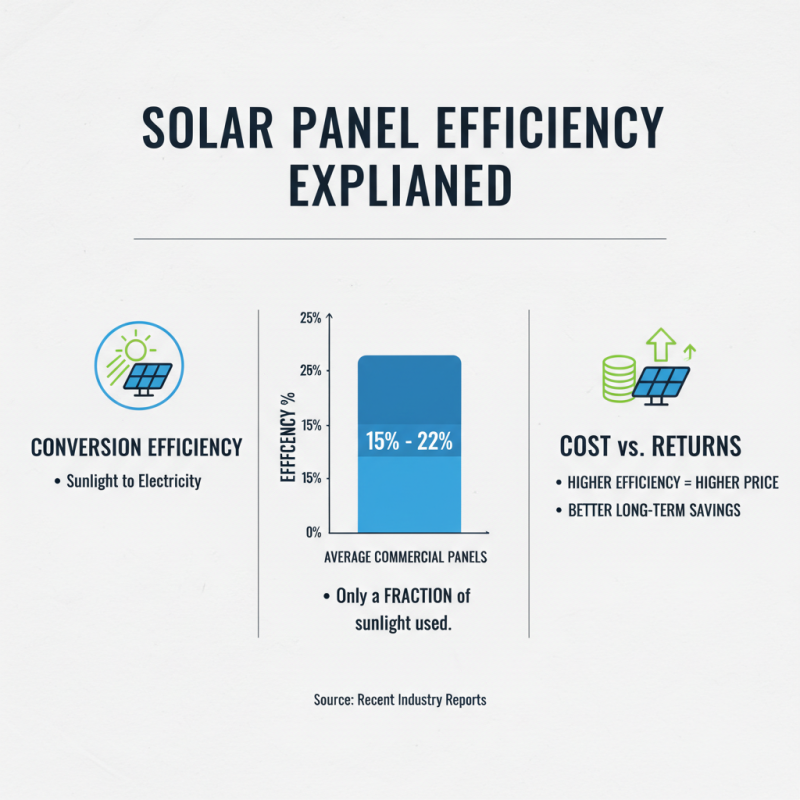
When evaluating solar panel efficiency, several key metrics play a crucial role. Conversion efficiency indicates how well a solar panel transforms sunlight into electricity. The average efficiency of commercial solar panels is around 15% to 22%, according to recent industry reports. This means that only a fraction of sunlight is effectively utilized. Higher efficiency panels tend to be pricier but can offer better long-term returns for energy savings.
Another important metric is the degradation rate. Most panels suffer from efficiency decline over time. A common range for degradation is 0.5% to 1% per year. This gradual decline impacts long-term energy output and should be considered during purchase decisions. Solar energy systems can lose significant efficiency over decades, making it essential to choose panels with lower degradation rates.
Performance warranty also matters. Many manufacturers offer warranties from 25 to 30 years, covering both output and structural integrity. However, the actual performance may not always meet expectations due to various factors like installation quality and environmental conditions. It's essential to evaluate these aspects critically, as many buyers overlook them in favor of brand reputation or initial pricing. The goal should be a reliable, efficient system that delivers sustainable energy over time.
Storage Solutions: Selecting the Right Battery Systems for Solar Energy
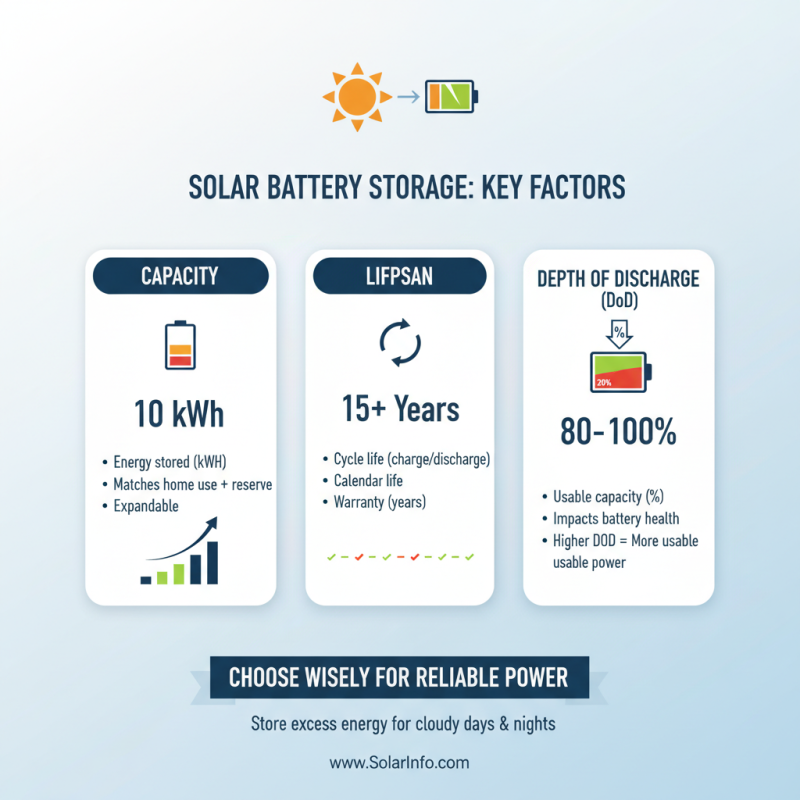
Choosing the right battery system for solar energy storage can be challenging. Many factors come into play. Battery capacity, lifespan, and depth of discharge are essential considerations. A well-chosen battery system ensures you can store excess energy for cloudy days or nighttime use.
Lithium-ion batteries are popular for their efficiency and compact size. However, lead-acid batteries can be a more affordable option. Each type has its pros and cons. For instance, lithium-ion batteries last longer but may require a higher upfront investment. Finding the balance between cost and performance is crucial.
It’s important to assess your energy needs accurately. Underestimating consumption can lead to insufficient power supply. On the other hand, overestimating may result in wasted resources. Consider future needs as well. Your family’s energy consumption might grow over time, making it vital to choose a scalable solution. Reflect on your daily routines to better understand how much energy you’ll need.
Cost Analysis: Comparing Initial Investment and Long-Term Savings
When considering solar solutions, cost is a major factor. The initial investment might seem daunting. Installing solar panels can require a significant upfront cost. This includes equipment, permits, and labor. However, it's crucial to look beyond the initial expense.
Long-term savings can be substantial. Many homeowners experience lower electricity bills as they harness solar energy. Over time, these savings can offset the initial investment. In some cases, homeowners report recovering their costs in just a few years. Still, not all setups guarantee the same return on investment. Factors like location, system size, and financing options play a role. It's wise to analyze your local conditions and power rates.
Exploring financing methods can also affect costs. Options range from outright purchases to leases and power purchase agreements. Each has its pros and cons. For instance, leasing can lower initial costs but may yield less savings over time. Reflection on your energy needs and financial situation is key. Making an informed choice can lead to both immediate and future benefits.
Government Incentives and Policies: Maximizing Your Solar Investment Benefits
Investing in solar energy can be a smart choice, especially with many government incentives available. These policies can significantly boost your return on investment. For example, tax credits can offset a large portion of installation costs. Some programs even offer rebates for solar panel purchases. Understanding these options is crucial for maximizing benefits.
Tips: Research local incentives thoroughly. Each state has unique programs. You might find a cash rebate for renewable energy installations. Check eligibility criteria carefully to avoid disappointment.
Government policies may vary over time. Stay updated on changes to ensure you make informed decisions. Sometimes, incentives can be confusing. Misunderstanding terms might lead to missed opportunities. Educating yourself is vital.
Consider future developments in renewable energy. The landscape is always evolving. New policies could emerge, making solar even more accessible. Don’t hesitate to consult with solar energy experts. They can provide clarity and help you navigate the complexities of your options. Keep your options open for the best results.
Top Solar Solutions for Sustainable Energy
This chart illustrates the estimated installation costs of various solar solutions, enabling you to compare the financial investment needed for each option. Choosing the right solar solution can enhance your sustainable energy strategy while maximizing government incentives and long-term savings.