Top 10 Solar Solutions in China for Global Buyers?
China has emerged as a leader in solar solutions. The rapid growth of this industry has attracted global buyers seeking innovative technologies and sustainable practices. According to Dr. Lin Hua, a renowned expert in solar technology, "The future of solar solutions lies in integration and efficiency." His insight reflects the current trends shaping the market.
In recent years, various companies in China have developed cutting-edge solar products. These solutions not only focus on energy generation but also on enhancing the lifecycle of solar assets. For instance, some manufacturers are now exploring solar panel recycling methods. This highlights a growing awareness of environmental sustainability, which is vital in today's market.
While the opportunities are vast, challenges remain. The competition is fierce, and quality can vary significantly among Chinese suppliers. Buyers must conduct thorough research to find reliable partners. Understanding these nuances can lead to fruitful collaborations in the solar solutions sector, ensuring a balanced approach to growth and sustainability.
Overview of Solar Solutions in China's Market
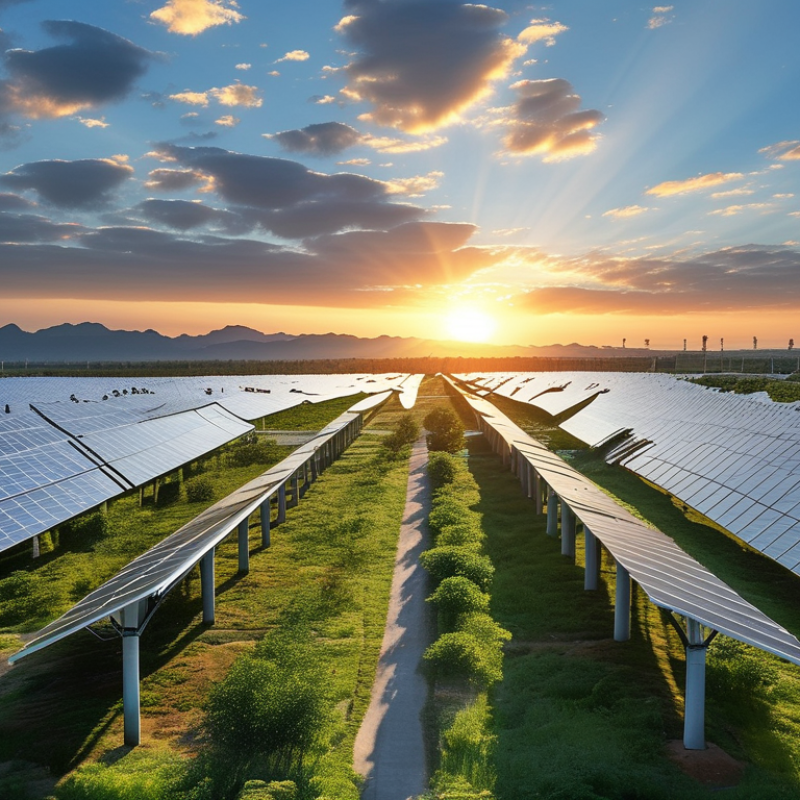
The solar solutions market in China has rapidly evolved. The country is now a leader in renewable energy technology. Various options exist, catering to different buyer needs and preferences. This landscape includes photovoltaic products and solar thermal systems, among others. Buyers often seek efficient and reliable technologies to enhance their energy independence.
Investors should also consider the diversity of manufacturers and their offerings. Some companies focus on high-efficiency solar panels, while others emphasize cost-effective solutions. It may be challenging to choose the right products without proper research. The range in quality and service can significantly affect long-term performance. Engaging with local experts can provide valuable insights, helping navigate this complex market.
Nevertheless, potential buyers must remain cautious. Not all solar solutions meet international standards. Quality control issues occasionally arise, leading to disappointing outcomes. Thoroughly vetting suppliers is crucial to ensure reliability. The investment in solar technology can pay off, but only with careful consideration and informed decision-making.
Key Players in China's Solar Industry
China's solar industry has seen remarkable growth. The nation accounted for around 60% of global solar panel production in 2022. Major companies lead the market, contributing to advancements in photovoltaic technology. Industry reports highlight the importance of innovation and efficiency in solar energy solutions.
Key players include manufacturers that focus on reducing cost while increasing performance. Reports indicate that the average efficiency of solar panels produced in China reached 21.5% in early 2023. Companies are investing heavily in research and development. This focus is crucial for future viability amidst rising global competition.
Sustainability remains a pressing issue. Some manufacturers are under scrutiny for environmental practices. Transparency is essential in building trust with global buyers. Although Chinese companies dominate production, there's room for improving supply chain ethics. Addressing these challenges can enhance the industry's reputation. Global buyers, therefore, must consider not just price but also ethical practices.
Innovative Solar Technologies Emerging from China
China is emerging as a global leader in innovative solar technologies. The country is home to numerous advancements that enhance the efficiency and effectiveness of solar energy solutions. According to the International Energy Agency (IEA), China accounted for 51% of global solar photovoltaic (PV) installations in 2022. This dominance signifies a robust investment in research and development, pushing the limits of what's possible in solar tech.
Recent studies indicate that new solar panel designs, such as bifacial modules, allow for more light absorption. These panels can capture sunlight from both sides, increasing overall energy yield by up to 30%. Additionally, China's rapid advancements in perovskite solar cells have shown potential efficiency rates exceeding 25%. These developments reflect a commitment to harnessing the sun's power more effectively.
Investors should consider regional partnerships when exploring these innovations. Collaborating with Chinese companies can provide access to cutting-edge technology and manufacturing efficiencies. Understanding the local market dynamics is crucial. Evaluate how these innovations fit into your energy strategy. Keeping an eye on evolving regulations and tariffs can also inform smart sourcing decisions. Sustainability and cost-effectiveness are critical drivers in today’s energy landscape.
Top 10 Solar Solutions in China for Global Buyers
| Technology Type |
Efficiency (%) |
Country of Origin |
Application Area |
Cost per Watt (USD) |
| Monocrystalline |
21.5 |
China |
Residential, Commercial |
0.20 |
| Polycrystalline |
19.5 |
China |
Utility-scale |
0.15 |
| Bifacial |
22.0 |
China |
Commercial, Solar Farms |
0.25 |
| Thin-film |
15.0 |
China |
Building-integrated, Residential |
0.10 |
| Building Integrated Photovoltaics (BIPV) |
18.5 |
China |
Architectural projects |
0.30 |
| Concentrated Solar Power (CSP) |
25.0 |
China |
Large scale plants |
0.40 |
| Solar tracking systems |
Up to 30% more |
China |
Utility-scale |
0.35 |
| Solar inverters |
>98% |
China |
All solar applications |
0.10 |
| Energy storage systems |
75-90% |
China |
Residential, commercial |
0.20 |
| Solar water heaters |
>90% |
China |
Residential |
0.05 |
Sustainable Practices in Chinese Solar Manufacturing
Sustainable practices are becoming essential in solar manufacturing in China. Many companies are exploring ways to reduce their environmental footprint. The focus on renewable energy has led to innovative solutions. From using eco-friendly materials to more efficient production techniques, the industry is advancing.
Artisanal techniques are still in play in some regions. Traditional methods can lead to inconsistencies in quality. However, they often reflect local craftsmanship. Finding a balance between old and new practices is crucial for sustainability. Moreover, waste management is a growing concern. Companies are incentivized to recycle materials and minimize excess waste.
Some manufacturers are attempting to meet international standards. This can be challenging due to varying regulations. Transparency in supply chains is another issue. Traceability of materials is essential for genuine sustainability claims. Ongoing dialogue about these challenges is necessary among stakeholders to drive meaningful change.
Challenges Faced by Global Buyers in Sourcing Solar Products from China
Navigating the solar market in China can be tricky for global buyers. Many face challenges, including quality control and communication barriers. A report by the International Renewable Energy Agency (IRENA) indicates that nearly 70% of solar products manufactured in China are exported. However, only a fraction meets stringent international standards, which poses risks for buyers.
Furthermore, language differences can hinder effective negotiations. Many manufacturers do not have English-speaking staff. This situation leads to misunderstandings and potential delays. According to the Harvard Business Review, cultural nuances affect business transactions. Understanding local customs is crucial but often overlooked.
Pricing can also be complex. Buyers may encounter hidden costs not initially disclosed. Some reports suggest additional fees can range from 10% to 20% of product prices. While Chinese manufacturers often offer lower base prices, hidden costs can inflate the overall spend significantly. Identifying reliable partners is essential for ensuring transparency and accountability in transactions.