Top 10 Home Energy Audit Cost Factors You Need to Know?
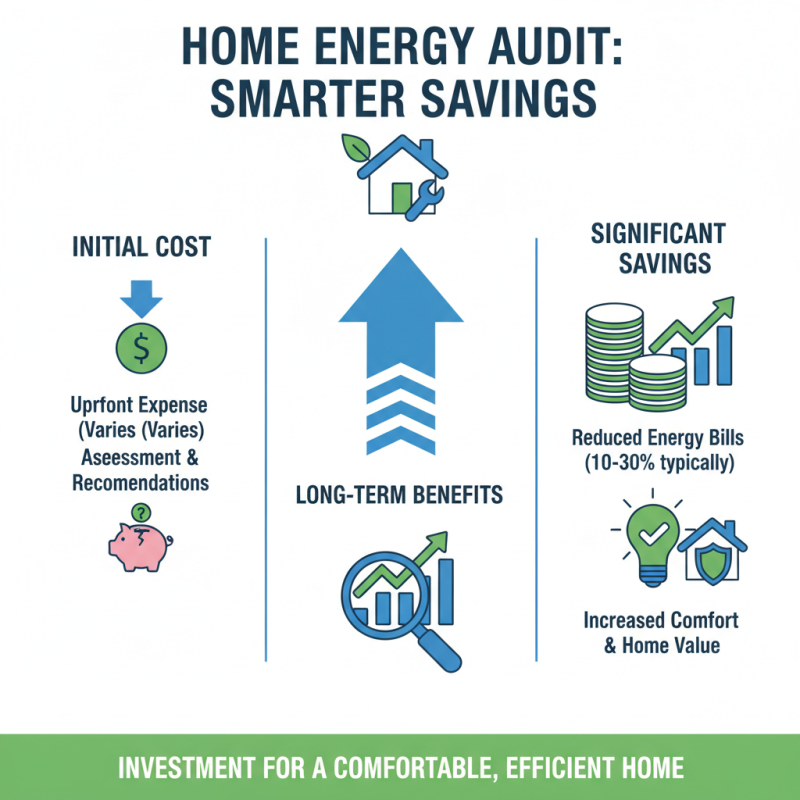
A home energy audit can significantly impact your energy consumption and costs. Understanding the various factors that affect home energy audit costs is essential. According to the U.S. Department of Energy, homeowners can save up to 30% on energy bills through efficiency measures identified in these audits. However, the home energy audit cost can vary widely based on several key elements.
Location is a crucial factor. In urban areas, audit costs tend to be higher due to demand and service availability. The size of your home also plays a significant role; larger homes typically incur higher costs. Additionally, the complexity of your home’s systems, such as HVAC and insulation, can influence pricing. On average, homeowners can expect to pay between $300 and $500 for a comprehensive audit. Still, unexpected costs may arise, making it important to budget accordingly. Ultimately, these audits can lead to substantial savings, but reflection on individual circumstances is necessary to assess their true value.
Key Components Influencing Home Energy Audit Costs
When planning your home energy audit, several key components can significantly influence the overall cost. One important factor is the size of your home. Larger homes often require more time and resources for a thorough evaluation, which can drive up the price. Similarly, the complexity and age of your home's infrastructure can add to the costs. Older homes may have outdated systems requiring additional assessments.
Another factor to consider is the type of audit performed. Basic audits typically examine insulation and heating sources. However, advanced audits involve detailed analysis using specialized equipment. This can include blower door tests and thermal imaging, which also increases expenses. In addition, the region you live in can affect prices. Some areas may have higher labor costs or specific regulations that influence audit pricing.
Finally, whether or not you opt for additional services can alter the final cost. Some homeowners might consider energy efficiency upgrades right after the audit. These enhancements, while beneficial, can lead to higher upfront costs. The decision should factor in the potential energy savings over time. Balancing these elements is essential to creating a smart budget for your home energy audit.
Top 10 Home Energy Audit Cost Factors
Importance of Property Size in Energy Audit Pricing
When considering the cost of a home energy audit, the property size plays a crucial role. A larger home typically incurs higher costs due to the increased time and resources needed for the audit. According to the U.S. Department of Energy, the average energy audit can range from $200 to $600. However, for homes over 3,000 square feet, the cost can rise significantly, sometimes reaching $1,000 or more.
In a recent report by the American Society of Heating, Refrigerating and Air-Conditioning Engineers, it was noted that energy consumption increases with size. Larger homes often have more complex systems. More rooms mean more potential issues. An energy auditor may need extra time to conduct tests and inspections. This can greatly impact the overall cost. It is essential for homeowners to remember that they are paying for both the expertise and the thoroughness of these evaluations.
While larger properties could benefit from more comprehensive audits, smaller homes should not be overlooked. They too have unique characteristics that could lead to inefficiencies. Some owners may cut corners, thinking they need less scrutiny. This can lead to missed opportunities for savings. It is essential to assess the needs based on size and specifics rather than skewing toward a standard pricing expectation.
Types of Energy Audit Services and Their Cost Implications
Home energy audits are essential for understanding energy efficiency. The costs of these audits vary significantly based on their type. There are generally two main categories: comprehensive audits and basic assessments. A comprehensive audit usually ranges from $300 to $800, depending on the size of the home and the extent of the evaluation. Basic assessments tend to be more economical, costing between $100 and $250.
Different services impact overall costs. For instance, blower door tests can add $100 to $200. Infrared thermography checks, which help identify insulation issues, can add another $200. According to the U.S. Department of Energy, homes lose 20% to 30% of energy via leaks. Therefore, investing in a detailed audit can yield significant savings.
However, the decision to conduct an energy audit isn't always straightforward. Some homeowners may find it challenging to understand the results or feel overwhelmed by the suggested improvements. It’s crucial to weigh the audit's immediate costs against long-term energy savings. Different homes have unique challenges, and a one-size-fits-all approach may not always work. Be prepared to face complexities in evaluation and follow-ups.
Regional Differences in Home Energy Audit Expenses
When considering a home energy audit, regional differences play a significant role in costs. In urban areas, audits may be more expensive due to higher labor costs and demand. Prices can range from $200 to over $600 depending on the city. The cost can be less in rural regions, with audits averaging $150 to $400. However, fewer service providers may limit options.
Climate also impacts pricing. Cold areas often require more extensive measures, leading to higher fees. In contrast, milder climates might see lower audit costs since fewer energy efficiency upgrades are needed. Local government incentives can further influence expenses. Some regions offer tax breaks or rebates that can offset audit prices. Yet, not every homeowner knows these benefits exist.
It's essential to research your area thoroughly. Asking neighbors about their experiences could yield surprising information. Misunderstanding the importance of an energy audit can lead to costly mistakes. Consider this: Does your region truly support energy efficiency? Evaluate your local resources before making a decision.
Top 10 Home Energy Audit Cost Factors You Need to Know - Regional Differences in Home Energy Audit Expenses
| Cost Factor |
Description |
Average Cost ($) |
Regional Variance (%) |
| Size of the Home |
Larger homes typically require more comprehensive audits |
300 |
10 |
| Location |
Urban areas may have higher costs than rural |
350 |
15 |
| Type of Services |
Includes insulation, HVAC assessments, etc. |
400 |
20 |
| Season |
Demand for audits can affect pricing |
320 |
5 |
| Provider Experience |
Established providers may charge more due to expertise |
450 |
10 |
| Type of Audit |
Comprehensive vs. basic energy audits |
500 |
25 |
| Technology Used |
Infrared cameras and blower doors may increase costs |
600 |
12 |
| Promotions and Rebates |
Local government or utility rebates can lower costs |
-100 |
N/A |
| Distance Traveled |
Travel expenses for the audit team can add to costs |
200 |
8 |
| Building Age |
Older homes may require more thorough assessments |
380 |
18 |