Top 10 Benefits of Solar Energy System for Global Buyers
The transition to solar energy systems has become pivotal for global buyers today. Research by the International Energy Agency (IEA) indicates that solar energy could supply over 20% of global electricity by 2040. This shift represents a significant opportunity for households and businesses alike. Experts like Dr. Emily Chen, a leading figure in renewable energy technologies, emphasize, "The future of energy is solar, and its benefits are undeniable."
Solar energy systems offer numerous advantages that extend beyond environmental impact. They can lead to substantial cost savings on energy bills and reduce reliance on fossil fuels. A report from the National Renewable Energy Laboratory (NREL) highlights that solar installations can save homeowners an average of $30,000 over 20 years. However, one must consider the initial investment and the varying efficiency rates of different solar technologies.
The benefits of adopting solar energy are multifaceted. Not only do these systems promote sustainability, but they also enhance energy independence. Nonetheless, potential buyers need to research thoroughly and weigh the pros and cons effectively. The right solar energy system can pave the way for a greener future.

Overview of Solar Energy Systems and Their Global Significance
Solar energy systems have become vital in the global effort to transition to sustainable energy sources. They harness sunlight, converting it into electricity. This process reduces dependence on fossil fuels, cutting greenhouse gas emissions significantly. Countries are shifting to renewables for energy security and environmental health. Solar installations are on the rise worldwide, reflecting a commitment to cleaner energy.
The global significance of solar energy systems extends beyond just reducing carbon footprints. They create job opportunities in manufacturing, installation, and maintenance. Communities benefit economically when local solar initiatives are implemented. However, while the technology is advancing, challenges remain. Issues such as high initial costs and land use for large solar farms must be addressed.
The accessibility of solar energy technology varies across regions. Developing nations often struggle with financing, while advanced economies make faster progress. Balancing these disparities is crucial for global energy equity. It’s essential to recognize that while solar energy has immense potential, sustainable solutions must be tailored to local contexts. Integrating solar systems effectively requires ongoing research and adaptation.
Top 10 Benefits of Solar Energy System for Global Buyers
This chart depicts the top 10 benefits of solar energy systems for global buyers, indicating the impact level of each benefit on a scale from 1 to 10. The data emphasizes the advantages that solar energy provides, ranging from cost savings to environmental sustainability.
Environmental Benefits of Adopting Solar Energy Solutions Worldwide
Adopting solar energy solutions can greatly impact our environment. This renewable energy source helps reduce greenhouse gas emissions, a leading cause of climate change. By transitioning to solar, we can cut carbon footprints significantly. For instance, a typical residential solar system can decrease CO2 emissions by over three tons each year. This reduction is equivalent to planting dozens of trees annually.
Solar energy systems also decrease air pollution. They emit no harmful pollutants while generating electricity. This clean energy source leads to healthier communities. Fewer respiratory issues and better air quality result when we rely on solar power. However, it's essential to consider the ecological impact of manufacturing solar panels. The extraction of raw materials can harm local ecosystems.
Furthermore, solar energy promotes resource sustainability. It harnesses sunlight, an abundant and free resource, helping to conserve finite fossil fuels. Many regions still lack access to solar technology. Addressing this gap is crucial for broader environmental benefits. Promoting equity in solar access can lead to a global shift towards cleaner energy. Balancing innovation with environmental considerations is vital for a sustainable future.
Economic Advantages of Solar Energy for International Consumers
Solar energy is transforming how we think about power consumption. For global buyers, the economic advantages are substantial. One primary benefit is the reduction in electricity bills. By investing in solar systems, homeowners can generate their own electricity, significantly lowering or eliminating utility costs.
Moreover, solar energy can increase property value. Homes equipped with solar systems often sell at higher prices. This trend is notable in many regions. Buyers recognize the long-term savings. Many consider solar energy a valuable asset.
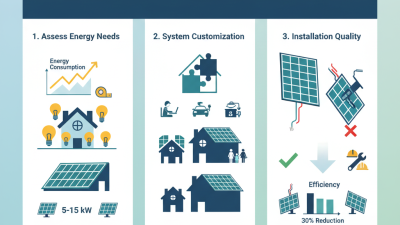
For those contemplating the switch, here are a few tips. Research local incentives carefully. Many governments offer tax credits or rebates for solar installations. This support can enhance your return on investment. Another consideration is system size. Evaluate your home's energy needs honestly to avoid under or oversizing your system. Assess different financing options. There are various plans available that might suit your budget.
In essence, while solar systems have clear financial benefits, they also require thoughtful planning. Investing in solar energy is not merely about immediate savings. It involves understanding long-term financial and environmental implications as well.
Top 10 Benefits of Solar Energy System for Global Buyers - Economic Advantages of Solar Energy for International Consumers
| Benefit |
Description |
Estimated Savings (%) |
Payback Period (Years) |
| Lower Energy Bills |
Reduce monthly electricity expenses by generating your own power. |
20-50% |
5-7 |
| Increase Property Value |
Homes with solar panels typically sell for more than those without. |
4-6% |
N/A |
| Tax Incentives |
Available rebates and tax credits significantly reduce upfront costs. |
30% |
N/A |
| Energy Independence |
Reduce reliance on fossil fuels and enhance energy security. |
N/A |
N/A |
| Low Maintenance Costs |
Solar panels require minimal maintenance and are durable. |
N/A |
N/A |
| Job Creation |
Investing in solar energy can lead to job growth in various sectors. |
N/A |
N/A |
| Environmental Impact |
Contributes to reduced greenhouse gas emissions and pollution. |
N/A |
N/A |
| Increased Market Demand |
Growing interest in renewable energy boosts solar market values. |
N/A |
N/A |
| Innovative Technology |
Advancements in solar technology improve efficiency and outputs. |
N/A |
N/A |
| Grid Stability |
Distributed solar energy can help stabilize local grid systems. |
N/A |
N/A |
Technological Innovations Enhancing Solar Energy Efficiency and Accessibility
Recent advancements in technology have significantly boosted solar energy efficiency and accessibility. Innovative photovoltaic materials are now transforming sunlight into energy with greater effectiveness. These new materials can absorb a wider spectrum of sunlight. This improvement allows for increased electricity generation even in low-light conditions. As a result, solar panels are more productive, generating energy throughout the day.
Smart technology plays an important role in enhancing solar energy systems. Energy management systems can optimize consumption based on real-time data. This technology allows homeowners to track energy usage seamlessly. Moreover, mobile apps enable users to control their solar energy systems remotely. This convenience promotes greater energy efficiency in daily life. However, the integration of smart technology also presents challenges in terms of cybersecurity and data privacy.
Another noteworthy innovation is energy storage solutions. Battery technology has greatly improved, making solar energy more reliable. Homeowners can store excess energy generated during sunny days for use at night. Yet, the cost of these systems may still be prohibitive for some. Ongoing research and development are crucial for making these technologies accessible to everyone. The journey towards widespread solar adoption continues.
Solar Energy's Role in Achieving Sustainable Development Goals Globally
Solar energy plays a crucial role in achieving sustainable development goals worldwide. It addresses pressing issues like climate change, energy access, and economic growth. Without a doubt, solar power reduces greenhouse gas emissions. This shift helps mitigate the impact of climate change. Countries that invest in solar energy see improved air quality. Cleaner air leads to better health for communities.
Transitioning to solar energy also promotes economic opportunities. Many regions, especially in developing countries, gain jobs in installation and maintenance. This creates a sustainable workforce connected to the renewable energy sector. However, challenges remain, such as high initial costs and the need for infrastructure. Not every community has easy access to solar technologies. Developing strategies to overcome these barriers is essential.
Moreover, solar energy fosters energy independence. Global buyers can reduce reliance on imported fuels. This transition leads to more stable energy prices. Yet, it demands reliable policy support and investment. Each nation must assess its unique needs for solar integration. Reflecting on local conditions ensures solar energy's success across diverse landscapes.