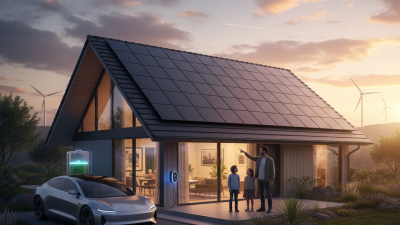
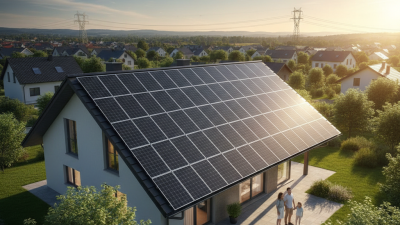
What is Solar Panel Energy and How Does It Benefit You?
Solar panel energy is revolutionizing how we harness electricity. The global solar market is expected to grow significantly, with a 20% annual increase forecasted through 2025. This growth is driven by various factors, including environmental concerns and rising energy costs. Homes using solar panels can see up to a 70% reduction in electricity bills.
Many homeowners recognize the benefits of solar panel energy. A report by the International Energy Agency highlighted that solar could provide 13% of global electricity by 2030. These numbers reflect a crucial shift towards renewable resources. Yet, despite these advances, some consumers remain hesitant. Initial installation costs and maintenance concerns can deter potential users. Education and clear demonstrations of value are key.
Investing in solar technology is not without challenges. Efficiency rates vary widely across different panel types. Inconsistent regulations and incentives can also complicate decisions. However, as technology advances, the barriers to adopting solar panel energy are gradually diminishing. With further research, public awareness can grow, enabling more households to benefit.
What is Solar Panel Energy?
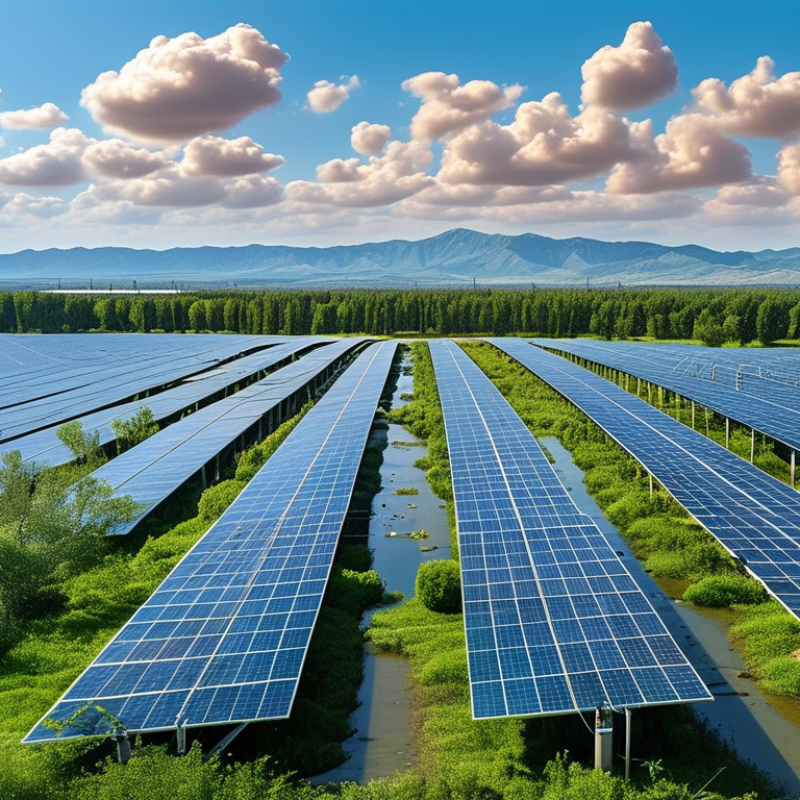
Solar panel energy harnesses sunlight to generate electricity. This process utilizes photovoltaic (PV) cells, which convert sunlight into usable energy. According to the International Energy Agency, solar energy could provide up to 27% of the world’s electricity by 2050. This potential transformation makes solar power a key contributor to global energy needs.
Solar panel technology has evolved rapidly. A report from the National Renewable Energy Laboratory reveals that the average efficiency of solar panels has increased from around 12% in 1990 to over 20% today. This progress indicates strong industry commitment to improving solar energy adoption. However, the initial cost of installation can be daunting. Many homeowners do not fully understand financial incentives available, such as tax credits. This knowledge gap can hinder wider acceptance.
The environmental benefits are significant. Solar energy production reduces greenhouse gas emissions. A study by the U.S. Department of Energy shows that each megawatt-hour of solar energy offsets about 0.85 tons of carbon dioxide. Yet, questions remain about the sustainability of solar panel materials and recycling options. As the industry grows, addressing these concerns is crucial for long-term success.
The Science Behind Solar Panels and How They Work
Solar panels convert sunlight into electricity through a process called photovoltaics. This technology involves solar cells made from silicon, a common semiconductor. When sunlight hits these cells, it excites electrons. This movement generates direct current (DC) electricity.
The DC electricity is then transformed into alternating current (AC) by an inverter. AC electricity is what powers most home appliances. Solar panel systems can also be connected to the grid. This connection allows users to earn credits for excess energy produced, promoting a more sustainable energy environment.
While solar energy offers many benefits, challenges exist. Initial installation costs can be high. Maintenance is also necessary to ensure efficiency. Some people may find it hard to visualize the long-term advantages. Understanding these nuances is crucial when considering solar energy for your home.
The Environmental Benefits of Solar Energy
Solar energy offers remarkable environmental benefits that are hard to ignore. By harnessing sunlight, solar panels help reduce greenhouse gas emissions significantly. The use of solar power lessens our reliance on fossil fuels. This shift leads to cleaner air and lower pollution levels in our communities.
Another critical benefit is water conservation. Solar energy systems do not require water for electricity production. In contrast, traditional power plants consume large amounts of water, leading to potential scarcity in drought-prone regions. By adopting solar technology, we can help preserve these precious resources.
Wildlife preservation is also an important factor. Solar farms can coexist with nature. They may support local ecosystems by providing habitats for plants and animals. However, the installation of solar panels may sometimes disrupt existing environments. It is essential to plan carefully to mitigate any negative impacts. Each project should consider local wildlife and ecosystem health.
Cost Savings and Financial Incentives of Solar Panel Installation
Installing solar panels can lead to significant cost savings. On average, homeowners can reduce their electricity bills by 50% to 90%. This reduction depends on various factors, including energy consumption and local sunny days. Additionally, many states offer financial incentives. These can include tax credits, rebates, and grants. Such programs can offset initial installation costs, making solar energy more accessible.
When considering solar panels, research your local incentives. Some areas provide extra savings for low-income households. It’s crucial to consult with a financial advisor or solar expert. They can help you understand all available benefits. Also, check if your utility company has a net metering program. This allows you to sell excess energy back to the grid.
Be mindful of upfront costs. Although prices have dropped, installation can still be substantial. Always get multiple quotes and assess financing options. Engaging with community solar projects may also reduce personal investment. Remember to evaluate long-term savings against initial expenses. Make informed decisions. Ultimately, every homeowner should consider their specific situation before proceeding.
Common Myths and Misconceptions About Solar Energy Solutions
Many people hold misconceptions about solar energy. One common myth is that solar panels only work in sunny areas. In reality, they can generate energy even on cloudy days. This makes them suitable for various climates. Another misconception is that solar energy systems are too expensive. While the initial investment can be significant, long-term savings on energy bills often outweigh the costs.
Tips: To determine if solar is right for you, consider your energy needs and local sunlight. Evaluate financing options to minimize upfront costs.
Another myth is that solar panels require constant maintenance. Actually, most systems require minimal upkeep. Regular cleaning and occasional inspections are usually sufficient. Solar technology has improved significantly, making it more efficient and reliable than before.
Tips: Monitor your system’s performance regularly. This helps identify issues early. Remember, being informed is crucial in making the right energy choices.