What is an Energy Manager and What Do They Do?
In today's world, the role of an energy manager is becoming increasingly vital. According to David N. Miller, an expert in energy management, "Energy managers are key players in optimizing resource use." They are responsible for monitoring energy consumption, reducing costs, and implementing sustainable practices.
An energy manager analyzes energy data to identify inefficiencies. They work across departments to promote energy-saving initiatives. These professionals often face challenges, like resistance from staff or outdated systems. It's crucial for them to adapt and find innovative solutions.
Energy managers must also tackle issues like fluctuating energy prices and regulatory changes. Reflection on past strategies can lead to improvements. The work of an energy manager is not always straightforward. Yet, their role remains essential in driving energy efficiency and sustainability in organizations.
What is an Energy Manager?
An energy manager plays a crucial role in optimizing energy use within organizations. This role involves the implementation of energy-efficient practices and technologies. Energy managers monitor consumption, analyze data, and identify areas for improvement. They work closely with various departments, educating employees on sustainable practices. Their goal is to reduce waste and enhance overall efficiency.
In many cases, energy managers face challenges. Some initiatives may require significant upfront investment. There can also be resistance from staff reluctant to change long-standing habits. However, navigating these hurdles is essential for success. Developing innovative strategies and communication skills is key. Smaller companies might not have dedicated energy managers, yet their need for energy efficiency is just as critical.
By utilizing effective energy management techniques, even the smallest changes can lead to significant savings. Whether it's implementing better insulation or optimizing lighting, each action contributes to a larger goal. Reflecting on current practices can uncover hidden opportunities. Implementing changes and adapting to feedback paves the way for a more sustainable future.
Energy Consumption by Sector in 2022
The Role of an Energy Manager in Organizations
The role of an energy manager is increasingly vital in today's organizations. They focus on reducing energy consumption and costs. According to a 2022 report by the International Energy Agency, organizations can save up to 30% on energy expenses through effective management. Energy managers analyze usage patterns and implement strategies for efficiency.
They often coordinate energy audits and recommend improvements. Monitoring systems help track energy consumption and identify inefficiencies. In a recent survey, 48% of companies reported significant improvements after hiring an energy manager. This position demands strong analytical skills, but some managers struggle to keep up with rapidly changing technologies.
Moreover, energy managers must educate staff about energy-saving practices. This can be challenging, as not all employees may be receptive. Behavioral changes take time and require continuous effort. Yet, the impact of these roles is undeniable. Improved energy efficiency not only lowers costs but can enhance a company’s reputation.
Balancing immediate gains with long-term sustainability goals is a complex task.
Key Responsibilities of an Energy Manager
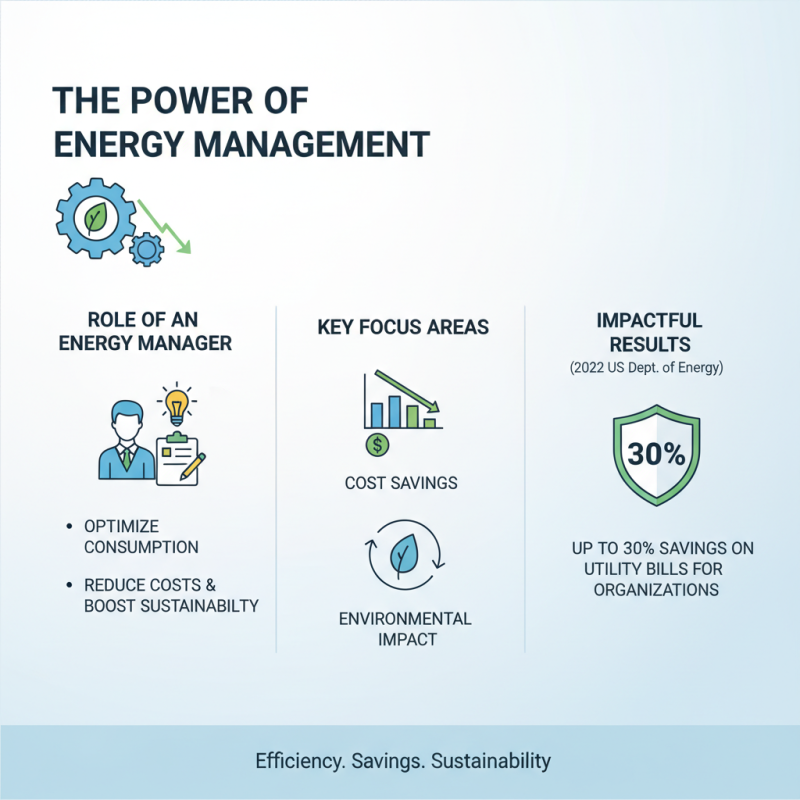
An energy manager plays a critical role in optimizing energy consumption. They focus on reducing costs and enhancing sustainability. In 2022, the U.S. Department of Energy reported that effective energy management could save organizations up to 30% on utility bills. This statistic highlights the importance of energy managers’ responsibilities.
One key task of an energy manager is conducting energy audits. Audits help identify inefficiencies. They assess lighting, HVAC systems, and insulation. According to a 2021 report by the International Energy Agency, buildings account for 40% of global energy consumption. Energy managers must address this issue through targeted strategies.
Monitoring energy usage comes next. Managers analyze data to spot trends. They might suggest practices like implementing smart meters. These meters can provide real-time feedback. However, their adoption is not always smooth. Some organizations resist change, hindering progress. Continuous improvement in energy management practices is necessary. Regular training for staff can build a culture of efficiency.
Skills and Qualifications for Energy Managers
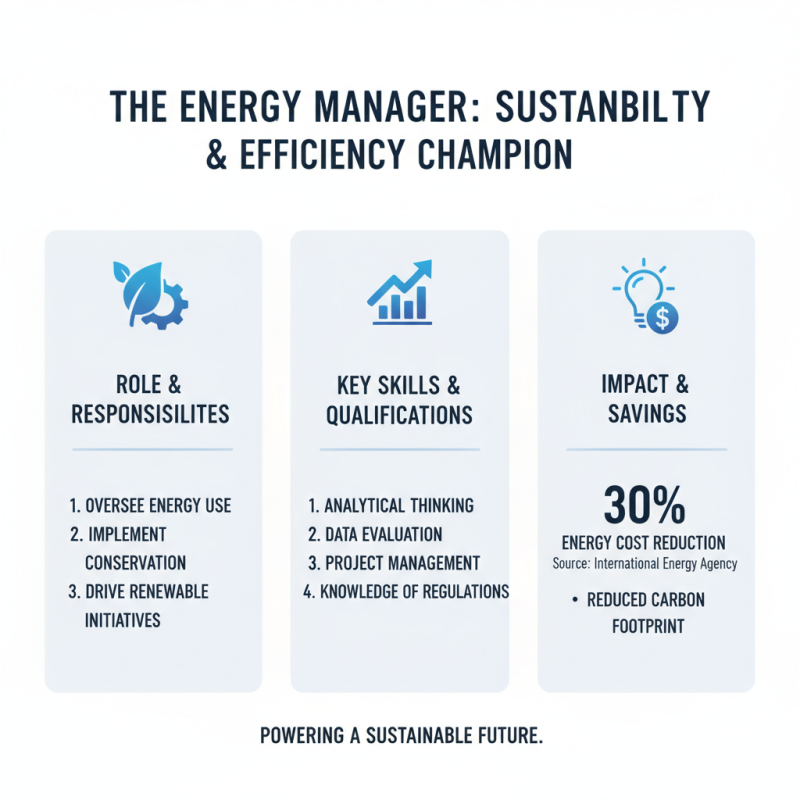
Energy managers play a crucial role in promoting sustainability and efficiency within organizations. They oversee energy consumption, implement conservation strategies, and drive renewable initiatives. To succeed, they must possess specific skills and qualifications. Analytical thinking is critical. An energy manager evaluates data to identify inefficiencies. According to a report by the International Energy Agency, organizations can save up to 30% on energy costs by implementing robust energy management systems.
Communication skills are equally essential. Energy managers must articulate strategies to stakeholders and collaborate with diverse teams. A report from the U.S. Department of Energy states that effective communication can lead to energy-saving projects being accepted more readily. Additionally, proficiency in energy management software is crucial. Familiarity with tools like energy modeling or data analysis software can streamline the process.
While the demand for energy managers is rising, the field faces challenges. The industry struggles with skill gaps, particularly in data analysis and technical expertise. Many energy managers lack the necessary training in advanced technologies. Reflecting on these challenges is vital for aspiring energy professionals. The potential for career growth is significant, but ongoing education and skill development are critical. Addressing these gaps can enhance the effectiveness of energy managers in a rapidly changing energy landscape.
The Importance of Energy Management in Sustainability
Energy management plays a crucial role in sustainability. An energy manager specializes in optimizing energy use within an organization. They monitor and analyze energy consumption, seeking ways to reduce waste. This is particularly important as many industries face growing pressure to minimize their environmental impact.
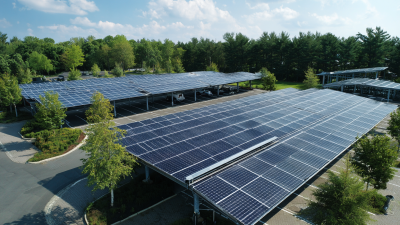
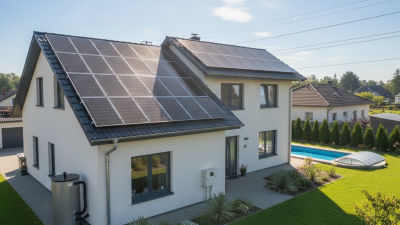
To be effective, energy managers must stay informed about new technologies. They often implement renewable energy solutions, like solar panels or wind turbines. An innovative strategy can save money and reduce greenhouse gas emissions. However, challenges persist. Some organizations may resist change due to outdated practices or a lack of awareness. This resistance can hinder progress toward sustainability goals.
Tips for effective energy management include conducting regular energy audits. These audits help identify inefficiencies. Engaging employees is key to a successful energy strategy. Simple actions, like turning off lights, can also contribute significantly. Another useful tip is to create a sustainability team. This group can encourage innovative ideas and foster a culture of energy consciousness within the workplace. Embracing change is essential, even when it feels uncomfortable. A willingness to adapt can lead to a more sustainable future.
What is an Energy Manager and What Do They Do? - The Importance of Energy Management in Sustainability
| Dimension |
Description |
Importance in Energy Management |
| Energy Efficiency |
The practice of using less energy to provide the same service. |
Reduces operational costs and lowers carbon footprint. |
| Sustainability |
Meeting current energy needs without compromising future generations' ability. |
Aligns with corporate social responsibility and environmental goals. |
| Regulatory Compliance |
Adhering to laws and regulations regarding energy use. |
Avoids fines and potential legal issues while promoting transparency. |
| Strategic Planning |
Developing plans for energy management initiatives and projects. |
Ensures alignment of energy goals with overall business objectives. |
| Monitoring & Reporting |
Tracking energy consumption and evaluating the effectiveness of management strategies. |
Promotes accountability and continuous improvement in energy practices. |