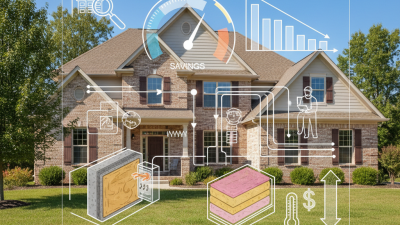
Performing an energy audit for home is a crucial step towards enhancing efficiency. Many homeowners overlook this process, thinking it's complex or unnecessary. However, a thorough energy audit reveals significant opportunities to save both energy and money.
During an energy audit for home, trained professionals assess various aspects of your property. They examine insulation, heating and cooling systems, and appliances. This experience leads to tailored recommendations. It is essential to understand your usage patterns and potential areas for improvement. Failure to do so may result in wasted energy and higher bills.
Completing an energy audit for home requires attention to detail. Homeowners often miss simple fixes. A drafty window may seem minor but can lead to excessive heating costs. Reflecting on these issues can guide you toward making better choices. Engaging in an energy audit empowers you to make informed decisions for your household. Consider taking the first step toward a more sustainable and cost-effective home today.
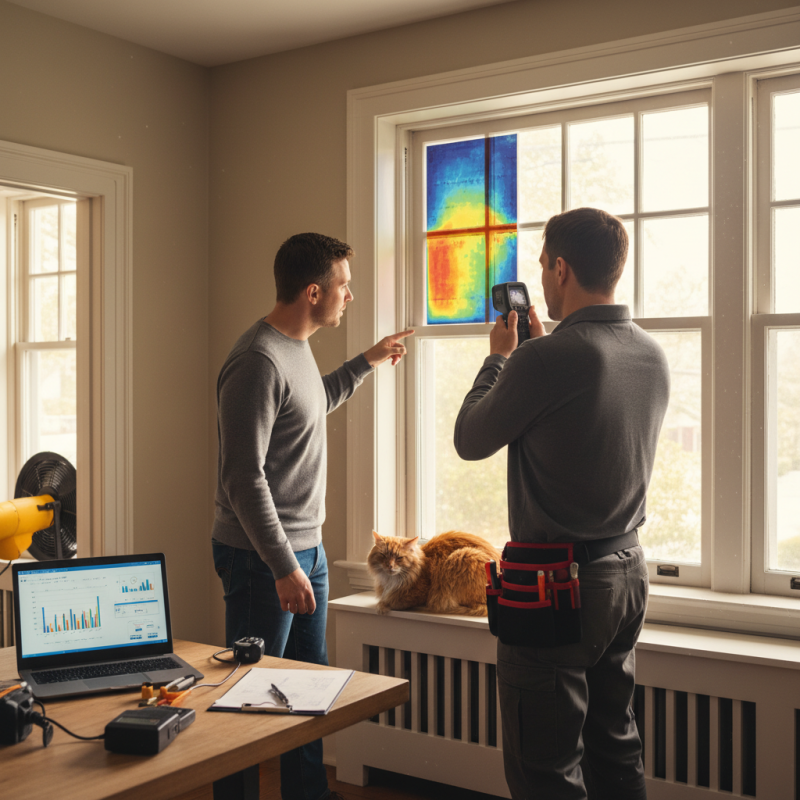
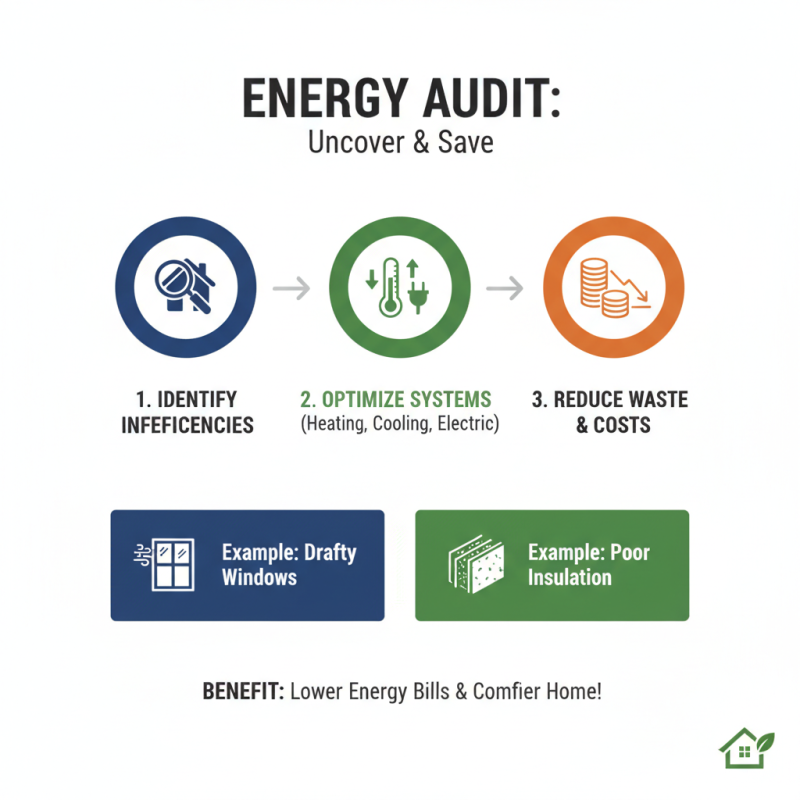
An energy audit serves multiple purposes that go beyond merely assessing your home's energy use. It helps identify inefficiencies in your heating, cooling, and electrical systems. Such assessments uncover areas where energy is wasted, ensuring that your home operates more efficiently. For instance, an energy audit can reveal drafty windows or poorly insulated walls that lead to higher energy bills.
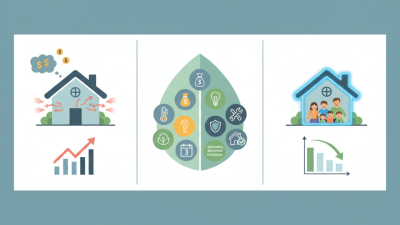
One significant benefit of conducting an energy audit is cost savings. By identifying energy leaks, homeowners can make targeted improvements. This not only lowers utility bills but also enhances comfort. Energy efficiency upgrades, like better insulation or energy-efficient appliances, often have a substantial return on investment. However, audits can expose uncomfortable truths. Many homeowners find that their energy use is far from optimal.
Understanding the results of an energy audit can motivate you to take action. It provides a roadmap for making informed decisions about upgrades. While the process may seem daunting, the insights gained are invaluable. These revelations can transform a space, making it more sustainable and cost-effective. Approach the audit without assumptions. The findings may surprise you, pushing you toward a more energy-efficient lifestyle.
When performing an energy audit for your home, focus on key areas that affect energy efficiency. Windows and doors are major culprits. Check for drafts and gaps. Weather stripping can significantly reduce heat loss.
Attic insulation is another area to consider. Poor insulation leads to heat escaping in winter and higher cooling costs in summer. Ensure insulation meets local standards. If it seems inadequate, consider upgrading.
Evaluate your heating and cooling systems. Regular maintenance is crucial for efficiency. Clean filters and ducts. Inspect for leaks in ductwork. A well-maintained system operates more effectively.
**Tips:** Use a thermal camera to spot energy leaks. This technology reveals heat loss areas. Also, make sure to turn off unused appliances. Unplug them or use power strips to prevent phantom loads. This tiny change adds up over time. Small adjustments lead to meaningful improvements in your energy consumption.
Gathering the right tools and resources is crucial for an effective home energy audit. Start with a reliable energy meter to measure your household appliances’ consumption. According to the U.S. Department of Energy, about 30% of energy use can come from appliances. Measuring this accurately provides a clear picture of energy efficiency.
Consider a thermal imaging camera to detect heat leaks. Studies indicate that improper insulation can increase energy costs by up to 20%. This device highlights thermal bridges and drafts that you may overlook during a visual inspection. While these cameras can be expensive, some communities offer rental programs.
Don't forget the basics. A simple notepad and pen can help track findings systematically. Many energy auditors recommend using online resources for guidance. The Energy Star website offers tools to assess home energy efficiency. However, awareness of changing guidelines is essential. Regulations can evolve, and outdated information may lead to inaccurate assessments. Keep an eye on local energy codes and standards for the most reliable audit results. Ignoring these shifts can compromise your energy-saving efforts.
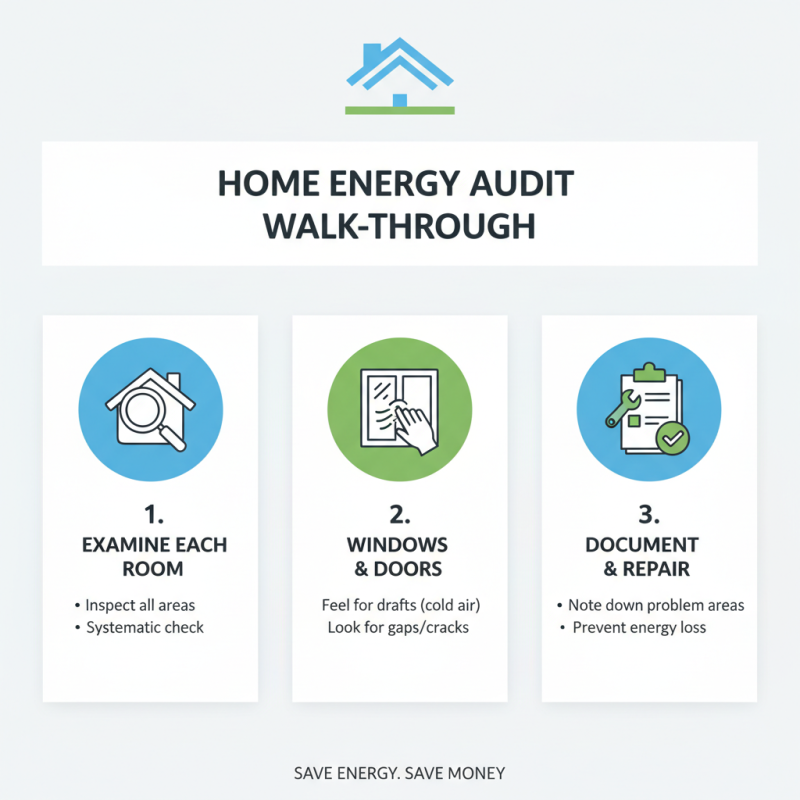
Conducting a comprehensive walk-through of your home is essential for an effective energy audit. Start by examining each room. Check windows and doors for drafts. Use your hand to feel for cold air. If you spot gaps, note them for future repairs. These small leaks can lead to significant energy loss.
Next, look at your insulation. Is it thick enough? Does it cover the entire area? Pay attention to the attic and basement. Insufficient insulation here can drive up energy bills. Take a moment to inspect your heating and cooling systems. Are they operating efficiently? A dirty air filter can reduce performance. This simple check may improve your energy consumption.
Don't forget about appliances. Old units may consume more energy than newer models. Examine the usage of your major appliances. Could you reduce their usage? Small changes can lead to noticeable savings. Reflect on your findings. Are you ready to make these improvements? Addressing these issues will enhance your home's energy efficiency.
An energy audit provides valuable insights into your home's efficiency. Once you have completed the audit, it’s time to interpret the results. Look closely at areas with high energy use. Frequently, insulation issues or outdated systems are to blame. Identifying these high-consumption areas is critical. It will help prioritize your improvements.
Here are some tips for effective interpretation: start with the basics. Assess your heating and cooling systems first. Are they outdated? Look for any leaks in ducts. Next, check windows and doors for drafts. Consider the insulation levels in your attic and walls. Small changes can lead to big savings.
After assessing those elements, develop an action plan. Prioritize improvements based on cost-effectiveness. For instance, sealing drafts may be inexpensive and yield immediate savings. Larger renovations, like upgrading HVAC systems, may take time but have significant long-term benefits. Always keep track of your energy consumption after implementing changes. Adjust your actions based on results. Reflect on what worked and what did not, refining your approach over time.