Top 10 Eco Energy Solutions in China for a Sustainable Future?
As the world grapples with climate change, eco energy solutions have become a cornerstone for sustainable development. In China, these solutions are not merely trends; they are vital strategies for a greener future. Dr. Li Zhang, a leading expert in renewable energy, emphasizes this urgency by stating, "Transitioning to eco energy solutions is essential for our planet's survival."
China's commitment to reducing carbon emissions has inspired innovations in green technology. Solar and wind energy projects are rapidly expanding, reflecting the country's dedication to harnessing nature's power. However, challenges remain, such as energy storage and grid reliability. The integration of these solutions requires significant advancements.
The potential for eco energy solutions in China is enormous. While the nation has made impressive strides, it is crucial to address existing inefficiencies. Public awareness and investment in eco-friendly infrastructure must increase. Ensuring that these solutions are accessible and affordable for all is a work in progress. The journey toward a sustainable future necessitates both commitment and continuous reflection.
Top 10 Eco Energy Solutions in China for a Sustainable Future
China is at the forefront of adopting eco energy solutions. Innovative technologies and policies are being implemented to create a sustainable future.
Solar energy is one of the standout solutions. It harnesses the sun's power, reducing reliance on fossil fuels. Photovoltaic panels are increasingly common on rooftops across urban areas, making solar energy accessible for many.
Wind energy is another significant contributor. Wind farms are sprouting in coastal regions and rural areas. The government is investing heavily in this clean energy source. Yet, there are challenges. Some areas face opposition due to environmental concerns.
Biomass energy is gaining traction too. It utilizes organic materials for power generation. This approach can reduce waste and lower carbon footprints. However, sourcing sustainable biomass remains a complex issue.
The journey towards sustainability requires continuous reflection and adaptation. While progress is evident, the path is not without obstacles.
Overview of China's Current Energy Landscape and Challenges
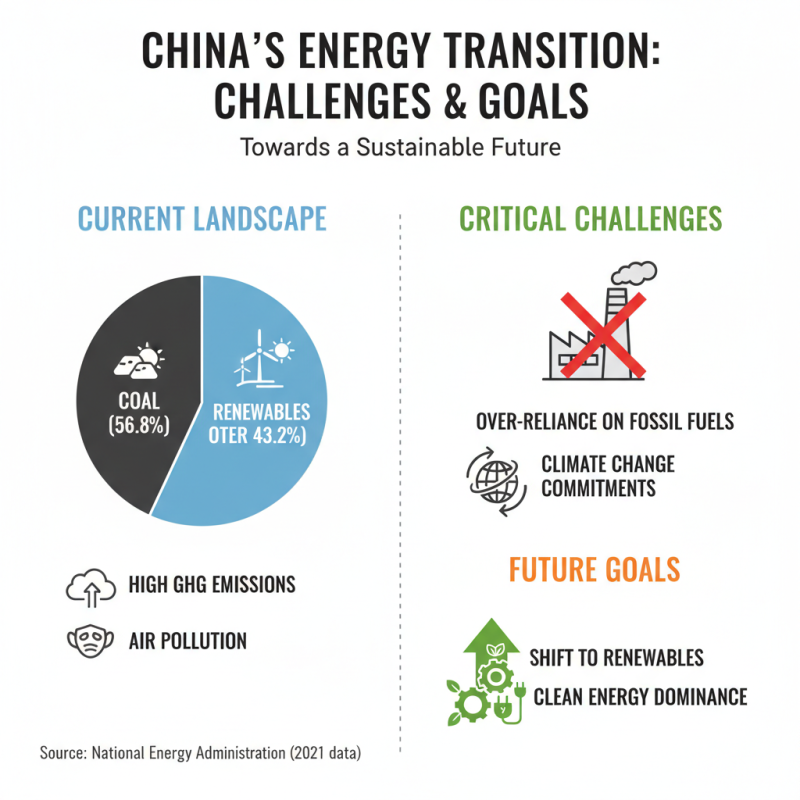
China faces significant energy challenges as it aims for a more sustainable future. The nation's rapid industrialization has led to a heavy reliance on coal, which accounted for 56.8% of total energy consumption in 2021, according to the National Energy Administration. This over-dependence increases greenhouse gas emissions, raising concerns about air pollution and climate change. Transitioning from fossil fuels to renewable energy is critical.
The government has set ambitious goals. By 2030, China aims for non-fossil fuels to comprise 25% of its energy mix. Solar and wind energy are on the rise. In 2020, these sources produced 18.7% of electricity generation, up from 14.2% in 2015. However, investment in renewables must keep pace with energy demand, projected to increase by 3% annually. Grid integration and storage remain significant hurdles, leading to wasted potential.
Public awareness about energy conservation is also lacking. Reports indicate that 40% of urban households do not practice energy-saving methods. Education on sustainable practices could play a crucial role. Acknowledging these obstacles is essential for improvement. Only then can China achieve the ambitious targets set for a sustainable future.
Integrating Renewable Energy Sources: Solar, Wind, and Hydropower
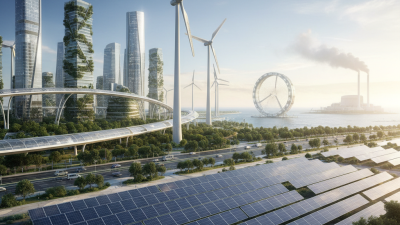
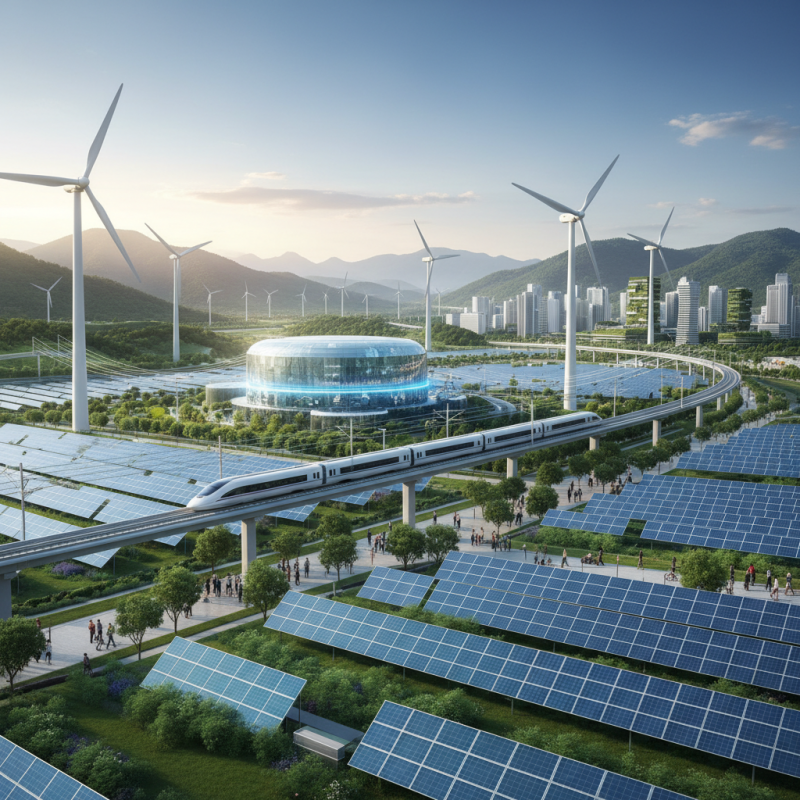
China's commitment to renewable energy is evident in its integration of solar, wind, and hydropower. The nation has made significant strides in solar energy installation. Vast areas are now covered with solar panels, harnessing sunlight effectively. This energy source has become a cornerstone of China's pursuit of sustainability. However, challenges remain. Dust storms can reduce solar panel efficiency, requiring proactive maintenance.
Wind energy is another key player. China's wind farms span inland and coastal regions, capturing wind currents effectively. These farms generate substantial energy, contributing to the grid. Despite this success, fluctuating wind patterns pose operational hurdles. Integration into energy systems needs constant adjustments.
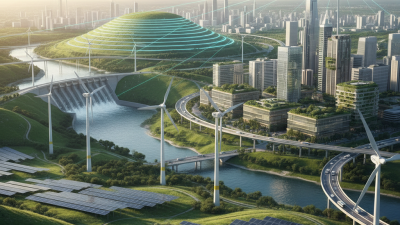
Hydropower, with its vast reservoirs and running rivers, also plays a crucial role. Dams and small-scale projects generate electricity for millions. But environmental concerns arise. Wildlife habitats can be disrupted, leading to ecological imbalances. Striking a balance between energy needs and ecological health is vital. The vision for a sustainable future is ambitious, but reflection on these complexities is necessary for true progress.
Advancements in Energy Storage Technologies and Their Impact
Advancements in energy storage technologies play a crucial role in China's pursuit of a sustainable future. With renewable energy sources on the rise, efficient storage solutions are essential. Energy storage systems can effectively capture surplus energy and release it when demand peaks. These technologies include batteries, flywheels, and pumped hydro storage. As energy efficiency and environmental concerns grow, these solutions are becoming more relevant.
In recent years, innovations in lithium-ion batteries have significantly improved their performance. They now offer higher energy density and longer lifespans. Other emerging technologies, such as solid-state batteries, promise even greater potential. However, challenges remain. Cost, scalability, and environmental impact of raw materials are critical issues. Sustainable practices in sourcing and recycling are needed to ensure longevity.
While advancements are encouraging, the path to a fully sustainable energy grid is complex. Systems must balance supply and demand effectively. Integrating diverse energy storage solutions is vital for resilience. Stakeholders must address these shortcomings while promoting progress. The future of energy storage is promising but demands continuous innovation and critical assessment.
Policy Frameworks Supporting Eco Energy Initiatives in China
China has made significant strides in eco energy policies, aiming for sustainable development. The Renewable Energy Law, enacted in 2006, has set a crucial foundation. It promotes investments in solar, wind, and bioenergy sectors. By 2022, China dominated global solar energy production, accounting for about 40% of total installations. This momentum is encouraged by various government incentives, aiming to improve energy efficiency.
The Chinese government’s 14th Five-Year Plan prioritizes carbon neutrality. This strategy anticipates boosting non-fossil fuel energy sources to 25% by 2030. However, the execution faces challenges. Local implementation varies significantly, and compliance gaps can hinder progress. For instance, financial support for emerging technologies often lags behind established sectors.
Policy frameworks also involve targeted subsidies and tax incentives. These strategies aim to foster innovation within the clean energy sector. Yet, inconsistencies across provinces may distort competition. Some regions may excel while others struggle, indicating the need for cohesive guidelines. Balancing local interests with national goals remains a pressing concern for sustainable energy initiatives.
Conclusion
In the pursuit of a sustainable future, China is actively embracing a range of eco energy solutions to address its energy landscape and challenges. The article explores the integration of renewable energy sources, such as solar, wind, and hydropower, which are essential in reducing carbon emissions and enhancing energy security. Furthermore, advancements in energy storage technologies are highlighted for their critical role in managing energy supply and reliability.
The policy frameworks established by the Chinese government support these eco energy initiatives, fostering an environment conducive to innovation and investment in sustainable practices. Additionally, emerging trends in sustainable transportation and green mobility solutions reflect the country’s commitment to reducing its carbon footprint and promoting environmentally friendly alternatives. Through these efforts, China is paving the way for a more sustainable energy future that prioritizes ecological balance and renewable resources.