How to Choose the Best Solar Technology for Your Home?
Choosing the right solar technology for your home is essential. It can significantly impact your energy bills and environmental footprint. With numerous options available, making an informed choice is crucial.
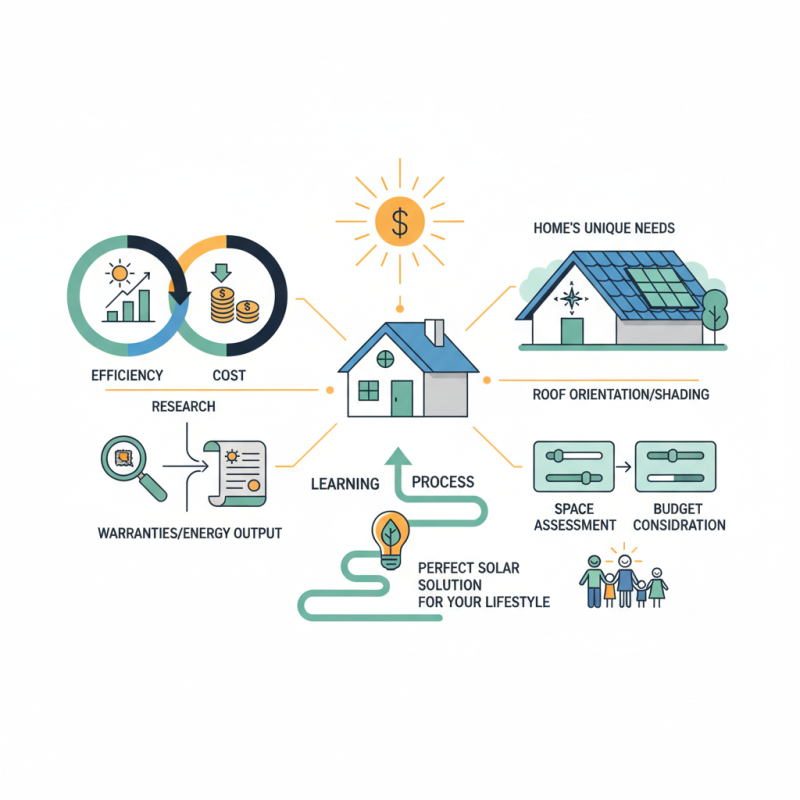
Solar technology varies in efficiency and cost. Some systems might seem appealing at first glance but may have hidden drawbacks. Research is key. Many homeowners overlook crucial details like warranties and energy output. These factors can affect long-term satisfaction.
Consider your home's unique needs. Each roof has a different orientation and shading patterns. This influences which solar technology works best. Take time to assess the space and budget. A hasty decision could lead to regrets. Embrace the learning process to find the perfect solar solution for your lifestyle.
Understanding Different Types of Solar Technologies Available for Homes
When choosing solar technology for your home, understanding the types available is crucial. There are mainly three kinds: photovoltaic (PV), solar thermal, and concentrating solar power (CSP). PV panels convert sunlight directly into electricity. They are versatile and can fit on rooftops or in open spaces. Solar thermal systems use sunlight to heat water or air for residential use. These systems often require more space than PV panels. CSP is less common for homes. It needs large areas and usually works in conjunction with other technologies.
Each type has its advantages and drawbacks. PV panels are easy to install but can be costly. Solar thermal systems might not work efficiently in cloudy regions. CSP requires significant initial investment and is less accessible for individual households. Consider your location, building structure, and energy needs. Are you ready for the installation process? These factors can complicate your choice. Reflect on your energy consumption patterns as well. Understanding these elements can help narrow down your options effectively.
Comparison of Different Solar Technology Efficiency
Assessing the Cost and Financial Incentives for Solar Installation
When considering solar installation, financial incentives can significantly impact your decision. According to the Solar Energy Industries Association, average costs for solar systems have dropped over 70% since 2010. This makes it more affordable for homeowners to invest in renewable energy. Tax credits, like the federal solar investment tax credit (ITC), allow you to deduct up to 26% of costs. Local incentives also enhance affordability.
Tips: Research your state’s incentives. They can vary widely and influence your overall savings. Some areas offer rebates, while others provide performance-based incentives. Understanding these can help you make a more informed choice.
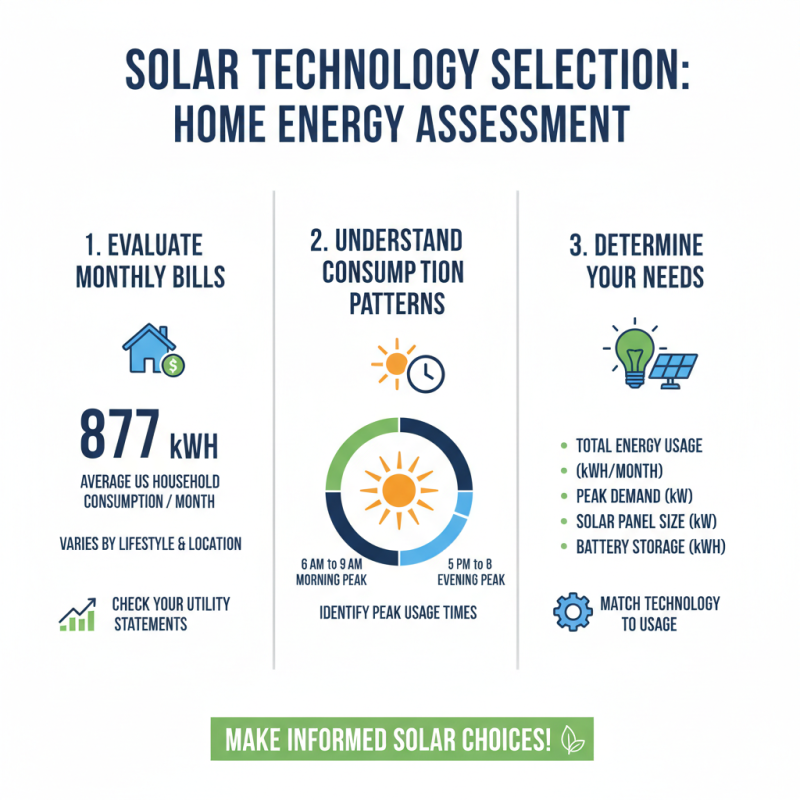
Costs can still be daunting. While average installation costs range from $15,000 to $25,000, it’s essential to consider your home’s energy needs. A smaller home may not need an expensive setup. Also, consider financing options that fit your budget. Leases and power purchase agreements can reduce upfront costs but may impact long-term savings. Reflect on what works best for your financial situation.
Comparing Performance Metrics of Solar Systems: Efficiency and Durability
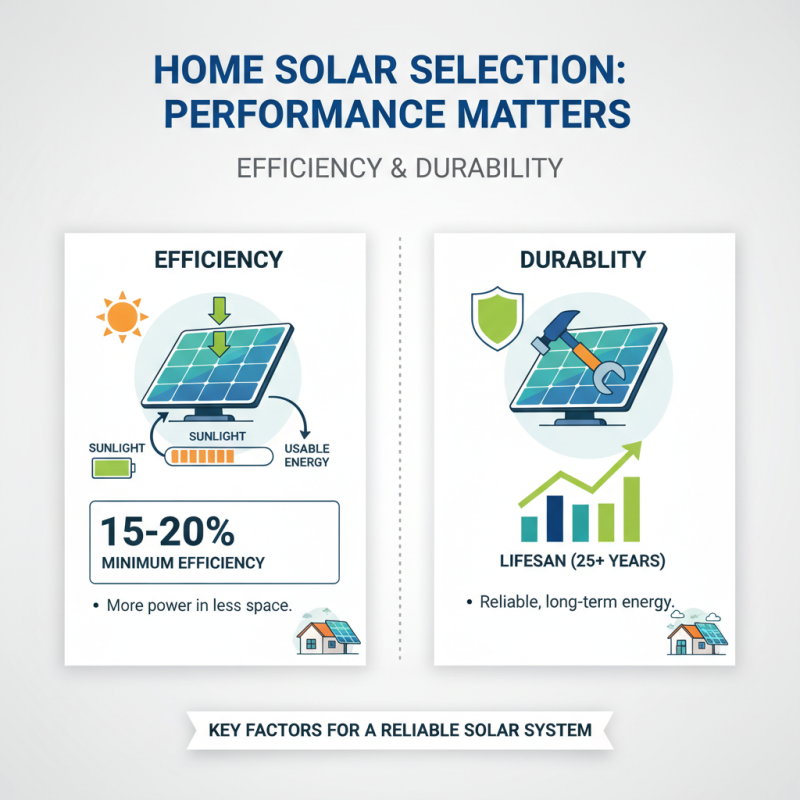
When selecting solar technology for your home, focusing on performance metrics is essential. Efficiency and durability are two critical factors that lead to a reliable solar system. Efficiency refers to how well solar panels convert sunlight into usable energy. Higher efficiency ratings mean more energy generation in a limited space. Many homeowners prefer panels with a minimum efficiency of 15-20%. This range typically balances power needs and available roof space.
Durability is equally important. Solar panels face harsh weather conditions, so they must withstand wind, hail, and heavy rain. A good lifespan is typically around 25-30 years. However, some panels may degrade faster than others over time. It is crucial to review warranties and real-life performance reports. Not all products perform as expected. Real-life reviews can provide insights into long-term reliability.
Choosing the right solar system requires careful consideration. Efficiency numbers may look great on paper but can vary in real-life conditions. It's wise to consult with professionals who understand your local climate. They can recommend solar technologies that suit your environment. Reflecting on these aspects can prevent costly mistakes. A well-informed choice can lead to significant savings in the long run.
Choosing the Right Installer: Questions to Ask and Credentials to Check
Choosing a solar installer is pivotal. Not every contractor is created equal. Look for those with relevant experience. Ask about their background in solar technology. A reputable installer should be able to provide references. Talk to past clients. Check their reviews online. This insight can save you time and money.
Credentials matter greatly. Verify their licensing and insurance. Ensure they comply with local regulations. A strong warranty also indicates confidence in their work. Don't hesitate to ask about their training. Some may have certifications specifically for solar systems. This is a good sign.
It's important to be cautious. Not every installer will meet expectations. Could they have missed something? Pay attention to the details of their proposals. Do they explain every cost? If not, ask for clarification. Your investment deserves transparency. A little extra questioning can lead to better decisions.