How to Find the Best Eco Energy Solutions for Your Home?
Finding the best eco energy solutions for your home can feel overwhelming. With so many options available, how do you choose? It's essential to understand what eco energy solutions truly mean. They encompass renewable energy sources like solar, wind, and geothermal options that reduce your carbon footprint.
Many homeowners focus solely on immediate costs, neglecting long-term savings. While installing solar panels may seem pricey initially, they can significantly lower utility bills over time. It's also crucial to consider local climate conditions. In areas with frequent sun, solar is more effective.
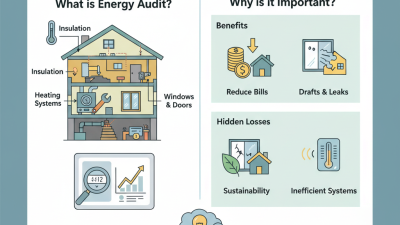
Engaging with energy audits can help identify your home’s specific needs. Professionals can offer tailored advice on the best eco energy solutions for your situation. Remember, every small action counts. Transitioning to an eco-friendly energy source is a journey, requiring patience and research. Embracing it can lead to a sustainable future for you and the planet.
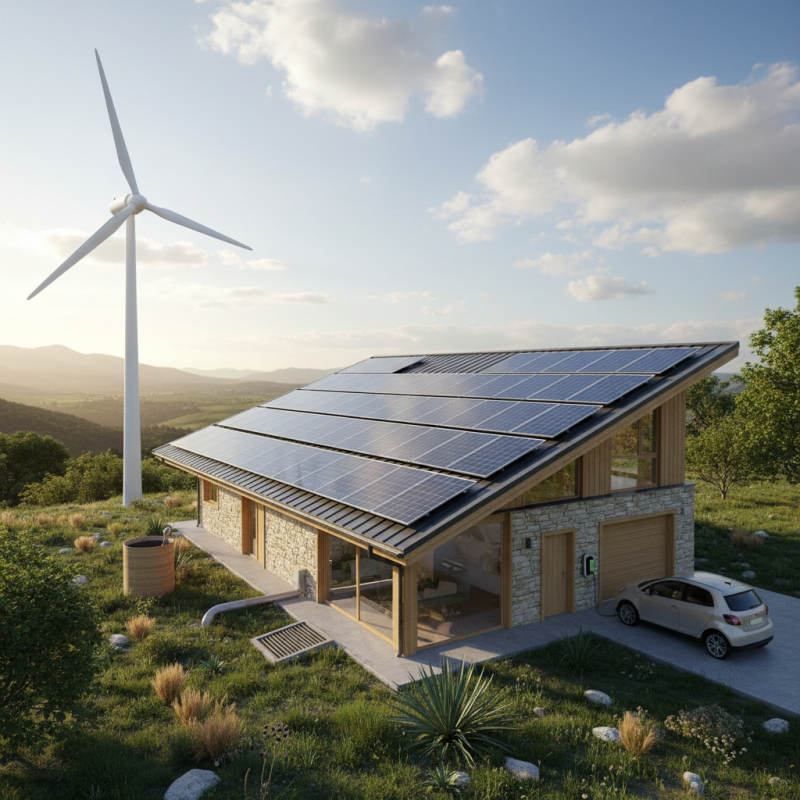
Understanding Eco Energy Solutions and Their Importance
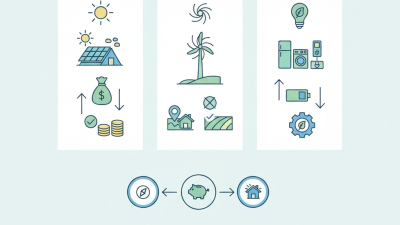
Understanding eco energy solutions is vital for sustainable living. These solutions focus on renewable resources. They help reduce carbon footprints and lower energy bills. Solar panels, wind turbines, and geothermal systems are popular examples. Each option has unique benefits and challenges.
Adopting eco energy solutions can be overwhelming. Many homeowners may not know where to start. Researching local energy resources is essential. Consulting experts can provide clarity. They can guide you in evaluating your home’s energy needs. Additionally, considering your home’s location can significantly influence choice.
Not every solution will work for every household. Some may find solar panels suitable, while others prefer wind energy. It’s crucial to weigh the pros and cons. Reflecting on your family's lifestyle is important. Will these solutions truly fit your needs? Ultimately, making informed choices fosters a greener future.
Assessing Your Home's Energy Needs and Consumption
Assessing your home's energy needs is a vital step toward achieving eco-friendly living. Start by examining your utility bills. Identify seasonal consumption patterns. Consider the appliances you use most often. Older appliances can consume more energy than newer, more efficient models.
Next, conduct a simple energy audit. Walk through your home and check for air leaks. Look for gaps around windows and doors. Insulating these areas can significantly reduce energy loss. Examine heating and cooling systems as well. They should be serviced regularly for optimal performance.
Pay attention to your lifestyle habits. Do you leave lights on when not in use? Small changes can create a significant impact. Riding the energy consumption wave requires being conscious about daily practices. Take note of your habits, and think about areas to improve. This reflective process is crucial for finding the best eco energy solutions for your home.
Energy Consumption Assessment for Eco Energy Solutions
This bar chart illustrates the monthly energy consumption for various aspects of home energy usage. Understanding your energy needs can help identify the best eco energy solutions for your household.
Exploring Renewable Energy Options for Residential Use
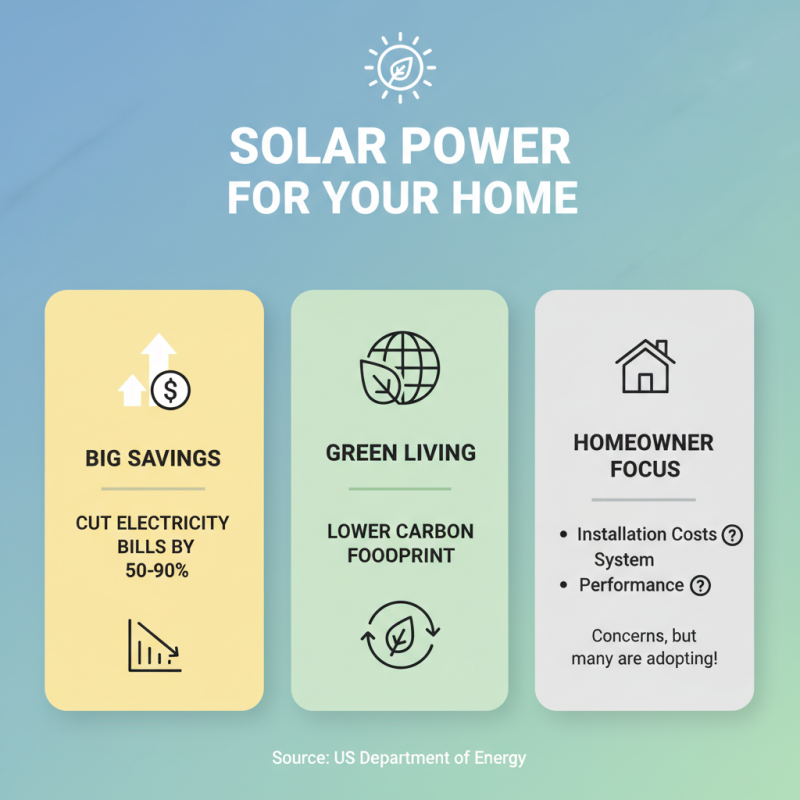
When considering renewable energy options for residential use, solar energy stands out. The U.S. Department of Energy reports that solar can reduce electricity bills by 50-90%. This shift not only saves money but significantly lowers carbon footprints. Many homes are adopting this technology, yet some homeowners express concerns about installation costs and system performance.
Wind energy is another viable option. According to the National Renewable Energy Laboratory, small wind turbines can produce enough energy for an average household. However, suitable locations are essential for efficient performance. Not every area experiences consistent wind patterns. Potential buyers must assess local conditions before committing. This uncertainty can lead to hesitancy.
Geothermal energy provides a stable and efficient heating and cooling solution. The U.S. Environmental Protection Agency states that geothermal systems can reduce energy consumption by 30-60%. But, installation can be complex and may require significant upfront investment. There's also the challenge of finding qualified contractors who understand the technology. Each energy solution has its pros and cons, and careful evaluation is crucial.
Evaluating Energy Efficiency Products and Technologies
When evaluating energy efficiency products and technologies for your home, consider several key factors. Look for items that have been certified by credible organizations. Ratings can guide you in selecting options that offer significant savings. Always check for available incentives, which can reduce initial costs.
Tips: Research the latest advancements in insulation materials. They are essential in preventing heat loss and reducing energy usage. High-efficiency windows can also play a similar role. They limit air leakage and improve indoor comfort.
Focus on your habits too. Examine how you use energy daily. Simple changes can amplify your effectiveness. For example, consider smart thermostats that adjust based on your routine. They can provide convenience while ensuring efficiency.
Assessing products also means reviewing longevity. Durable solutions may initially cost more but save money over time. Compare warranties and service options before making decisions. This approach reduces the risk of frequent replacements or repairs.
Finding Local Incentives and Resources for Eco Energy Solutions
Finding local incentives for eco energy solutions can significantly reduce your costs. Many states offer rebates and tax credits to homeowners pursuing sustainable practices. According to the Database of State Incentives for Renewables and Efficiency (DSIRE), nearly 90% of U.S. states provide some form of financial support for solar energy installations. These incentives can help offset the initial investment required for solar panels or energy-efficient appliances.
Research also indicates that many homeowners are unaware of these opportunities. A report by the American Council for an Energy-Efficient Economy (ACEEE) reveals that less than 30% of homeowners utilize available energy efficiency programs. This gap highlights the importance of local resources. Local governments often publish guides on their websites detailing available programs. In some areas, community workshops also inform residents about energy efficiency upgrades.
Engaging with local utility companies can also yield information on available programs. They may provide energy audits or free consultations to help optimize your home's energy use. Keep in mind that sometimes, these incentives come with challenges. Application processes may require technical knowledge or lengthy waiting times. Understanding these local incentives is crucial for maximizing savings while contributing to an eco-friendlier home.