
7 Best Solar Energy Solutions for Global Buyers?
Choosing the right solar system can feel like comparing seven different roads to the same destination. This guide explores seven practical solar energy solutions for global buyers, from rooftop photovoltaic panels to portable battery storage and hybrid systems. Each option serves a different need. A sunny villa may benefit from high-efficiency monocrystalline modules. A remote clinic may need durable panels, lithium batteries, and a reliable inverter. A small business might prefer a grid-connected system with smart energy monitoring.
Real purchasing decisions involve more than panel efficiency. Buyers must examine local sunlight, roof strength, temperature changes, maintenance access, and grid conditions. Product certifications matter. So do warranty terms, replacement parts, installer experience, and supplier transparency. A cheaper system can become expensive when batteries fail early or technical support disappears. That risk is easy to underestimate.
No ranking fits every market. That deserves honest attention. A solution performing well in Spain may struggle during cloudy winters in northern Europe. Dust, humidity, unstable grids, and import requirements can also change the result. The strongest choice balances energy output, safety, lifecycle cost, and local service. This overview draws on practical equipment considerations and widely used industry principles. It does not replace a site assessment from a qualified professional. Careful planning still matters. The seven options ahead can help buyers compare technologies with clearer expectations and fewer costly surprises.
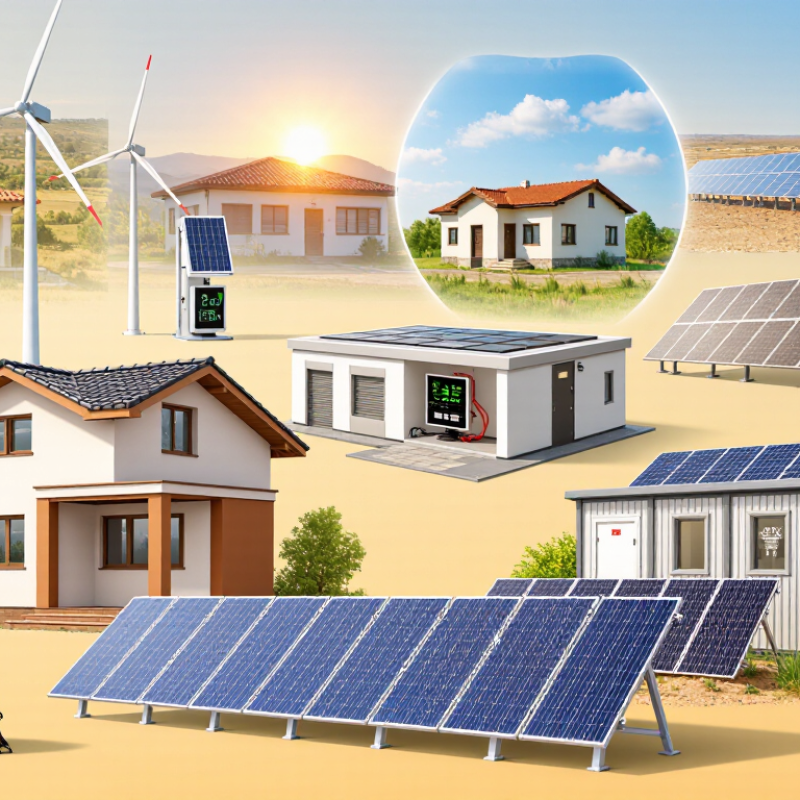
Solar Energy Solutions: How They Work and Who Needs Them
7 Best Solar Energy Solutions for Global Buyers?
Solar energy solutions convert sunlight into usable electricity or heat. Photovoltaic panels produce direct current, while inverters convert it into household alternating current. Batteries store surplus power for evenings, cloudy periods, or unstable grids. Solar water heaters use sunlight directly, reducing electricity or fuel consumption.
Different users need different systems. Grid-connected systems suit urban homes, offices, and factories with reliable utility access. Hybrid systems add batteries for backup during outages. Off-grid packages serve remote clinics, farms, islands, and construction sites. Solar water heating fits hotels and homes with high hot-water demand. Agricultural users may also consider solar pumps, but water storage remains important.
The numbers show why this market matters. IRENA’s Renewable Capacity Statistics 2024 reported 473 gigawatts of renewable capacity added globally in 2023. Solar power contributed about 346 gigawatts. The IEA’s Renewables 2024 report expects solar to provide nearly 80% of renewable capacity growth through 2030. Yet growth does not guarantee a good purchase. A field survey should examine roof shade, seasonal sunlight, battery temperature, local tariffs, and maintenance access. Poor sizing wastes money.
One detail is often missed.
Batteries can raise costs sharply. Recycling and replacement planning also need attention. A smaller system with efficient appliances may outperform an oversized system. The best solution depends on climate, load patterns, grid reliability, financing, and local technical skills. Forecasts are useful, but real roofs are less cooperative.
| Solar Energy Solution | How It Works | Typical System Scale | Best Suited For | Typical Storage or Backup | Main Benefits | Important Considerations |
|---|---|---|---|---|---|---|
| 1. Grid-Tied Solar Photovoltaic System | Solar panels convert sunlight into direct current electricity. An inverter changes it into alternating current for household or business use, while surplus electricity can be exported where local rules allow. | Approximately 1–10 kW for homes; 10 kW to several megawatts for commercial and industrial sites. | Properties with reliable grid access, suitable roof or ground space, and daytime electricity demand. | Usually no battery; the public grid provides power when solar production is insufficient. | Lower electricity purchases, relatively simple operation, and good daytime energy savings. | It normally shuts down during a grid outage unless special backup equipment and batteries are installed. Export compensation varies by country. |
| 2. Off-Grid Solar System with Battery Storage | Solar panels charge batteries through a charge controller. An inverter supplies usable electricity, while batteries provide power after sunset or during cloudy periods. | Approximately 0.5–5 kW for small homes or cabins; larger systems can support farms, clinics, schools, and remote facilities. | Remote locations without dependable grid service, including rural homes, telecommunications sites, and emergency facilities. | Commonly 1–3 days of usable energy storage, depending on the load profile and local weather conditions. | Energy independence, reliable electricity in remote areas, and reduced dependence on fuel-based generators. | Battery replacement, system sizing, seasonal sunlight changes, and energy conservation must be considered carefully. |
| 3. Hybrid Solar and Battery System | Solar panels supply loads and charge batteries. The system can also use the utility grid or a generator, with an energy-management system selecting available sources. | Approximately 3–20 kW for homes and small businesses; larger systems are available for commercial facilities. | Grid-connected users who need backup power, peak-demand reduction, or greater control over energy use. | Commonly 5–30 kWh for residential systems; commercial capacity depends on required loads and outage duration. | Backup capability, improved solar self-consumption, and flexibility during outages or high-price periods. | Higher initial cost and more complex installation than a basic grid-tied system; local electrical regulations apply. |
| 4. Solar Water Heating System | Solar thermal collectors absorb sunlight and transfer heat to water or another heat-transfer fluid. A storage tank supplies hot water when needed. | Typically 2–6 square metres of collector area for a household, depending on climate and hot-water demand. | Homes, hotels, hospitals, schools, and other facilities with consistent hot-water requirements. | Thermal storage tanks commonly provide hot water for several hours to roughly one day, depending on tank size and usage. | Reduces electricity or fuel used for water heating and can be effective in sunny climates. | Requires protection against freezing or overheating in some climates. A backup heater is often needed during low-sun periods. |
| 5. Solar Water Pumping System | Photovoltaic panels power a pump that moves water from a well, borehole, river, or reservoir to a tank or irrigation network. | Small drinking-water systems may use less than 1 kW; irrigation systems can require several kilowatts or more. | Farms, livestock operations, rural communities, and remote water-supply projects. | Water tanks are often used instead of electrical batteries, allowing water to be stored for later use. | Lower fuel and operating costs, reduced maintenance compared with fuel generators, and useful daytime pumping performance. | System design must match pump head, flow rate, water depth, pipe losses, and seasonal water demand. |
| 6. Shared or Community Solar | Multiple customers receive electricity or financial credits from a shared solar installation located away from their homes or businesses. | Usually tens of kilowatts to several megawatts, depending on the number of participating customers. | Renters, apartment residents, shaded properties, and users without suitable rooftop space. | Storage may be included at the shared facility but is not required for customer participation. | Provides access to solar energy without installing panels on each customer’s property. | Availability, subscription terms, crediting rules, consumer protections, and cancellation policies differ by jurisdiction. |
| 7. Solar Mini-Grid | A local electricity network combines solar generation, batteries, distribution equipment, and sometimes other generation sources to serve multiple buildings. | Approximately 10 kW to several megawatts, depending on the community and connected loads. | Rural communities, island settlements, public institutions, and areas with weak or unavailable grid infrastructure. | Battery storage commonly supports evening demand and short-term interruptions; capacity is based on community load requirements. | Can provide reliable electricity for homes, schools, clinics, water systems, and small businesses. | Requires careful load forecasting, local maintenance, tariff planning, safety management, and long-term technical support. |
Related Posts
-
2026 Top Solar Solutions for Global Buyers
-
What is Solar Energy and How Does it Work?
-
Top Solar Energy Solutions for a Sustainable Future?
-
Top 10 Benefits of Solar Energy Systems for Global Buyers?
-
2026 Best Solar Energy Innovations for Sustainable Living?
-
Top 10 Solar Energy Solutions for Global Businesses Today?