2026 Best Eco Energy Solutions for a Sustainable Future?
As the world grapples with pressing environmental challenges, the focus on eco energy solutions is more crucial than ever. According to the International Renewable Energy Agency, global renewable energy capacity reached over 3,000 gigawatts in 2021, showing significant growth. In 2026, we anticipate even greater advancements in eco energy technologies, driving us towards a sustainable future.
Eco energy expert Dr. Sarah Green emphasizes, "Investing in renewable sources today is essential for a cleaner tomorrow." Her insights reflect the growing consensus on the necessity of shifting to eco-friendly energy options. While innovations abound, challenges remain. The transition to eco energy requires significant resources and infrastructural changes. Many still rely on fossil fuels, highlighting the urgency of shifting perspectives.
Moreover, public awareness and policy support are often lacking. Communities may not have access to vital renewable technologies. This gap underscores the importance of education and advocacy. A holistic approach is needed to ensure eco energy solutions are available to all. As we look to the future, it is imperative that we address the hurdles and harness the full potential of eco energy.
Emerging Trends in Eco Energy Solutions for 2026
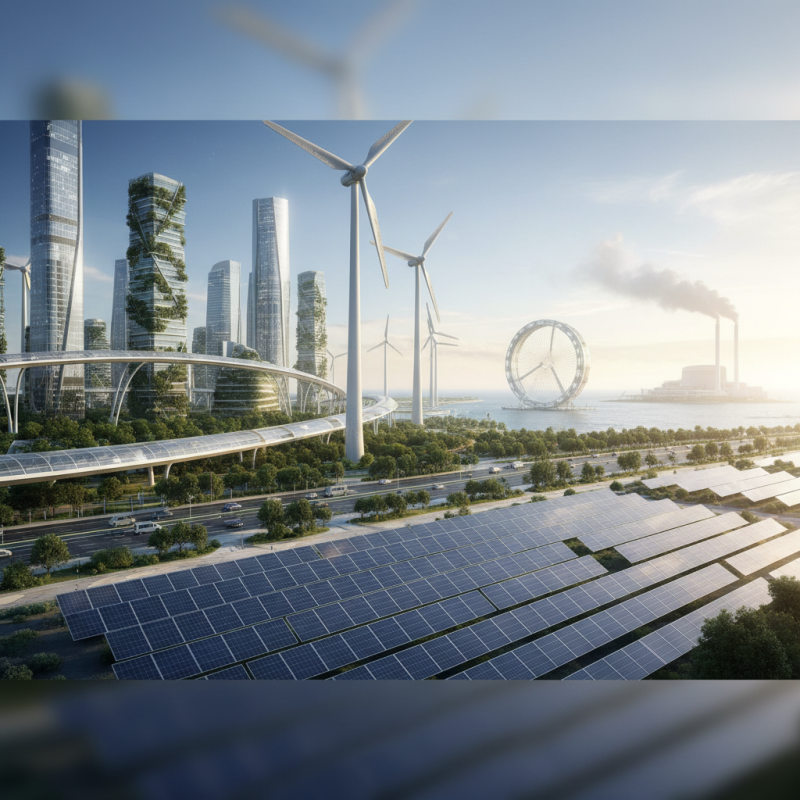
As we move toward 2026, eco energy solutions are emerging as a vital focus for sustainability. Solar energy remains a leader. However, newer technologies are gaining ground. Wind energy, particularly offshore wind farms, show promise for large-scale energy generation. These solutions are not without their challenges. Environmental impacts must be carefully assessed.
Tips: Start small; consider solar panels for individual homes. They can significantly reduce energy bills.
Energy storage is another trend. Advanced battery technology allows for better energy management. These systems can store excess energy produced during peak times for later use. Yet, resource extraction for these batteries poses ecological concerns. We must find a balance between innovation and responsibility.
Tips: Evaluate local options for community solar projects. They often provide renewable energy without major investments. Engagement with local experts can help navigate these choices.
2026 Best Eco Energy Solutions for a Sustainable Future
This chart illustrates the projected energy capacity for various eco energy solutions by the year 2026. It highlights the growing importance and potential of renewable sources such as solar and wind energy in contributing to a sustainable future.
Innovative Technologies Driving Sustainable Energy Production
Innovative technologies play a crucial role in sustainable energy production.
Solar panels have advanced significantly. They now convert more sunlight into electricity.
New materials increase efficiency. This brings renewable energy closer to daily use.
However, challenges remain. Not every region has equal sun exposure. Energy storage also needs improvement to use generated power effectively.
Wind energy technology sees remarkable growth as well.
Turbines are now taller and more efficient. They capture wind at higher altitudes. Some designs even minimize noise pollution.
Yet, there are concerns about wildlife impact. Birds and bats can be affected.
Balancing energy production and ecological preservation is essential.
Hydroponic farming systems integrate renewable energy with agriculture.
These systems can optimize water use. They provide fresh produce in urban areas. Still, energy consumption for lighting and temperature control can be high.
Solutions must address this inconsistency.
Emerging technologies bring hope, but their implementation often faces obstacles. More research is needed to refine these innovations.
Case Studies of Successful Eco Energy Projects Worldwide
Innovative eco energy projects are reshaping the global approach to sustainability. For instance, a solar farm in India has minimized energy poverty for thousands. According to a report by the International Energy Agency, solar energy capacity in India has increased by over 500% in recent years. This has provided affordable energy and driven local economies.
Wind energy in Denmark is another success story. The country generates about 47% of its electricity from wind. A study published by the Danish Energy Agency highlights that wind power has significantly reduced carbon emissions. However, increasing reliance on wind energy raises questions about consistency and grid stability. Seasonal fluctuations can challenge supply.
Biomass energy is gaining traction in Brazil, where sugarcane waste is converted into fuel. Research shows that this process reduces greenhouse gas emissions compared to fossil fuels. However, concerns about land use and food production remain. Many question whether expanding biomass use could lead to unintended consequences, such as deforestation.
Each case offers lessons. Successes share common themes: local involvement, innovative technologies, and adaptability. Nonetheless, challenges persist. Evaluating the balance between energy needs and environmental impact is essential for a sustainable future.
Challenges and Opportunities in the Eco Energy Sector
The eco energy sector faces a mix of challenges and opportunities. As demand for sustainable energy rises, so do the complexities involved. According to the International Renewable Energy Agency, renewable energy employment reached 12 million globally in 2020. This growth highlights the sector's potential. However, the industry struggles with high initial costs and technological barriers.
Investing in research and development might ease some of these issues. The U.S. Department of Energy reports that solar panel costs have dropped by about 89% since 2009. Yet, installation and grid integration remain major hurdles. Many regions lack the necessary infrastructure. The transition to eco-friendly solutions is not instantaneous and requires time and patience.
Tips: Consider reducing personal energy consumption first. Simple actions like turning off unused devices can make a difference. Community engagement is key in promoting local renewable projects. Building awareness can pave the way for infrastructure improvements. Despite these opportunities, many face resistance to change. It’s essential to keep questioning the effectiveness of current solutions and adapt as needed.
2026 Best Eco Energy Solutions for a Sustainable Future
| Energy Source |
Efficiency (%) |
Carbon Footprint (gCO2/kWh) |
Cost ($/kWh) |
Geographical Viability |
Challenges |
Opportunities |
| Solar Power |
20-22 |
40 |
0.05 |
High Solar Radiation Areas |
Intermittency, Space Requirements |
Technological Advancements, Cost Reductions |
| Wind Energy |
35-45 |
10 |
0.06 |
Coastal & Open Land Areas |
Wildlife Impact, Noise Pollution |
Investment Opportunities, Job Creation |
| Hydropower |
35-45 |
4 |
0.07 |
River Systems & Large Water Bodies |
Environmental Concerns, Maintenance Costs |
Resource Management, Energy Storage Solutions |
| Geothermal |
10-20 |
10 |
0.08 |
Tectonically Active Regions |
Site Specificity, High Initial Costs |
Consistent Energy Source, Low Operating Costs |
| Biomass |
20-25 |
17 |
0.09 |
Agricultural Regions |
Sustainability, Competition for Land Use |
Waste Utilization, Rural Development |